





Most drivers assume car trouble announces itself in dramatic ways. Smoke pours out. A warning light flashes. The engine suddenly refuses to start. In reality, many problems begin much quieter than that. They often show up as small clues that are easy to ignore.
A skilled mechanic knows how to catch those clues fast.
That is why a professional can inspect a vehicle in ten minutes and notice issues a driver may miss in ten hours. It comes down to training, pattern recognition, and knowing where to look.
A mechanic does not just inspect parts. They interpret symptoms. They read wear patterns, listen to unusual sounds, notice subtle performance changes, and connect those clues to bigger mechanical concerns.
That is where expertise makes a difference.
Why Mechanics Spot Problems Faster Than Drivers
Experience allows mechanics to move quickly without rushing.
They do not approach a vehicle randomly. They follow a process. They know which clues often point to trouble, and they understand how small symptoms can connect to larger issues.
A slight steering pull may not seem like much to a driver.
A mechanic may see several possibilities, including:
- Alignment problems
- Uneven tire wear
- Worn suspension parts
- Steering component wear
This is why experienced inspections often uncover more than casual observation.
The First Walkaround Reveals Hidden Clues
Many valuable inspections begin before the hood is opened.
A walkaround can reveal problems in plain sight.
Mechanics often look for:
- Fluid spots beneath the car
- Uneven ride height
- Tire condition
- Body panel irregularities
- Signs of previous damage
These clues may seem minor, but they can reveal major concerns.
For many drivers, they go unnoticed.
Tire Wear Patterns Tell a Story
Tires often reveal hidden mechanical issues.
A mechanic does not just check tread depth. They study wear patterns.
Certain patterns can suggest specific problems:
- Inner-edge wear may point to alignment trouble
- Feathering can indicate steering issues
- Cupping may suggest worn shocks
- Uneven tread may reveal balance concerns
A driver may see tires that look old.
A mechanic may see suspension or steering trouble developing.
That difference matters.
Fluid Leaks Can Signal Bigger Problems
Small leaks often become expensive repairs when ignored.
A mechanic pays attention to even minor drips.
Different fluids can point to different issues:
- Dark fluid may suggest engine oil leaks
- Red fluid may indicate transmission concerns
- Colored coolant residue may reveal cooling system leaks
- Brake fluid leaks may affect stopping performance
Drivers often wait until leaks become serious.
Mechanics act much earlier.
That often saves money.
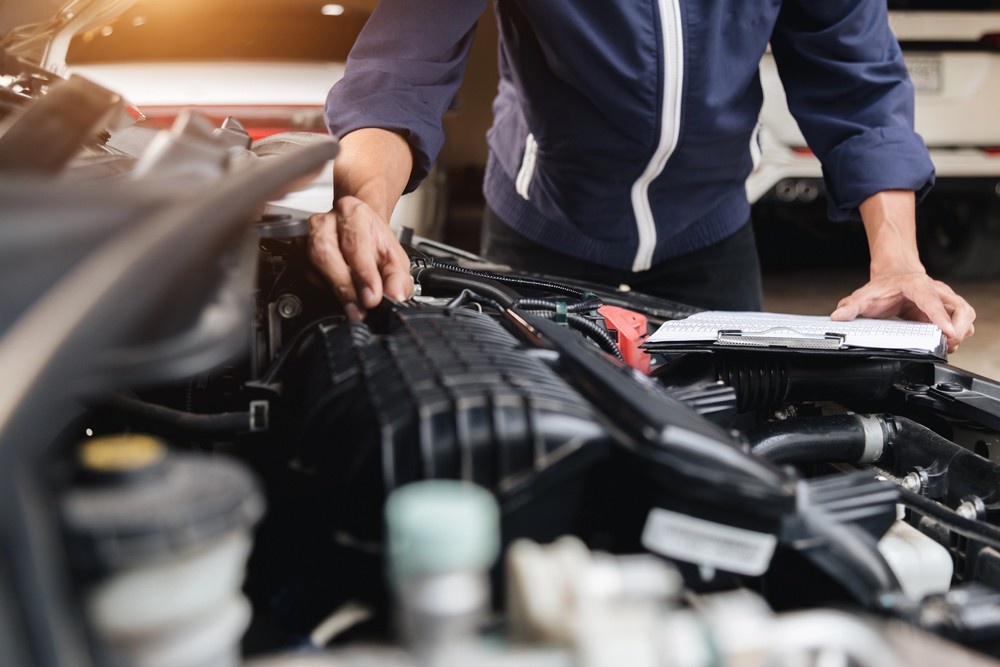
Engine Sounds Mechanics Catch Quickly
Cars communicate through sound.
A mechanic listens for what does not belong.
Common warning sounds include:
- Ticking that may suggest valve issues
- Knocking that may indicate engine wear
- Whining linked to belts or bearings
- Rough idle tied to fuel or ignition problems
Many drivers dismiss these sounds.
Mechanics treat them as clues.
And often, those clues appear long before major failure.
Brake Problems Often Give Early Warnings
Brakes rarely fail without warning.
They usually show symptoms first.
A mechanic may notice:
- Squealing that suggests worn pads
- Grinding that signals severe wear
- Pedal pulsation tied to rotor problems
- A brake pull caused by uneven braking force
Drivers sometimes ignore these signs.
That can lead to higher repair costs.
It can also affect safety.
A Test Drive Can Reveal What Parked Inspections Miss
Some problems only show themselves on the road.
That is why a short test drive matters.
Mechanics often check for:
- Steering looseness
- Vibrations at speed
- Delayed transmission shifts
- Suspension noise
- Brake response changes
Many drivers gradually adapt to these issues.
Mechanics feel them immediately.
That difference often leads to earlier repairs.
Steering and Suspension Clues Often Hide in Plain Sight
Suspension problems often build slowly.
That makes them easy to overlook.
A mechanic may notice:
- Excessive bouncing
- Clunking over bumps
- Body roll in turns
- Loose steering feel
- Uneven handling
These may point to worn components such as:
- Shocks
- Struts
- Bushings
- Ball joints
Catching those issues early often prevents larger repairs.
Transmission Behavior Can Warn You Early
Transmission problems often begin with subtle changes.
A mechanic watches for symptoms such as:
- Hard shifting
- Delayed engagement
- Slipping
- Jerking
- Hesitation under acceleration
Drivers may ignore these signs.
That can be costly.
Early detection may mean repair.
Late detection may mean replacement.
That is a major difference.
Under-the-Hood Signs Many Drivers Miss
The engine bay holds many clues.
Mechanics often check:
- Cracked belts
- Weak hoses
- Low fluids
- Dirty fluid condition
- Corrosion
- Signs of overheating
Each can point to developing problems.
Drivers often overlook these signs completely.
That is why inspections matter.
Battery Problems Often Show Warnings First
Batteries often weaken before failure.
Mechanics may notice:
- Corroded terminals
- Loose connections
- Slow cranking
- Swollen battery cases
- Age-related wear
In Houston heat, battery stress can build faster.
That makes checks even more valuable.
A battery often gives warnings.
You just need someone trained to spot them.
Warning Lights Should Never Be Ignored
Dashboard warnings exist for a reason.
Common alerts include:
- Check engine lights
- Battery lights
- ABS warnings
- Oil pressure warnings
Each can signal a deeper issue.
Mechanics do not ignore warning lights.
They trace the cause.
Drivers often hope the light goes away.
That can backfire.

Smells Can Reveal Mechanical Trouble
Smells can be useful clues.
Mechanics notice unusual odors such as:
- Burning oil smells
- Sweet coolant odors
- Burning rubber scents
- Sulfur-like exhaust smells
These often point to real mechanical issues.
Drivers may dismiss them.
Mechanics investigate.
That is the difference.
Texas First Auto Inspections Helps Harvest Bend The Meadow Drivers Stay Ahead
Houston driving conditions can create extra wear.
Heavy traffic, heat, and rough roads can stress important systems.
Texas First Auto Inspections helps drivers catch problems early through professional inspections that can uncover:
- Brake wear
- Suspension concerns
- Tire issues
- Fluid leaks
- Electrical problems
- Hidden warning signs
That can help prevent breakdowns and reduce repair costs.
For used car buyers, inspections can also reveal hidden problems before purchase.
That is valuable protection.
Common Problems Drivers Often Miss
Many costly repairs start small.
Examples include:
- Weak wheel bearings
- Small coolant leaks
- Dirty filters
- Worn engine mounts
- Early brake wear
- Loose steering parts
- Weak shocks
None may seem urgent at first.
Yet each can grow.
That is why small clues matter.
How Early Detection Can Save Money
Preventive repairs often cost less than major repairs.
Catching problems early may help you avoid:
- Brake rotor replacement
- Overheating damage
- Transmission failure
- Premature tire wear
- Unexpected breakdowns
That is why inspections are practical.
They protect your vehicle and your budget.
Simple Things Drivers Can Watch For
Even without mechanical training, you can watch for warning signs.
Pay attention to:
- New sounds
- Tire wear changes
- Fluid spots
- Warning lights
- Unusual smells
- Steering changes
- Braking feel
If something feels different, investigate.
Cars rarely change behavior without a reason.
Texas First Auto Inspections Serving the Harvest Bend The Meadow Community and Beyond in Houston
Texas First Auto Inspections is dedicated to serving the diverse needs of the local community of Houston, including individuals residing in neighborhoods like Harvest Bend The Meadow. With its convenient location near landmarks such as the Willbern Elementary School and major intersections like Golden Grain Dr & Broken Sky Dr (coordinates: 29.924461700000002, -95.5704987), we offer certified mobile mechanic used car inspection services.
Get Certified Mobile Mechanic Used Car Inspection Services at Harvest Bend The Meadow Now
Navigate from Harvest Bend The Meadow to Texas First Auto Inspections Now
Why Early Detection Makes All the Difference
A skilled mechanic can spot in ten minutes what many drivers miss in ten hours because experience sharpens observation. Tire wear, sounds, smells, leaks, warning lights, and subtle performance changes all reveal problems early.
Most major repairs begin with small clues. Catching those clues can save money, improve safety, and prevent breakdowns. For drivers in Houston, Texas First Auto Inspections offers professional inspections designed to uncover hidden issues before they become expensive problems.
FAQs
1. What can a mechanic check in ten minutes?
A mechanic can often assess tires, leaks, battery condition, warning lights, basic brake symptoms, suspension clues, and early signs of engine or transmission trouble.
2. Can mechanics detect problems before a car breaks down?
Yes. Many issues show warning signs long before failure. Experienced mechanics look for those signs during inspections.
3. How often should I get my vehicle inspected?
At least once a year is common, though older vehicles or high-mileage cars may benefit from more frequent inspections.
4. Why is uneven tire wear a concern?
Uneven tire wear can point to alignment problems, steering issues, weak suspension components, or improper inflation.
5. Is a professional inspection worth it if my car seems fine?
Yes. Many problems start quietly. A professional inspection can catch hidden issues early and help avoid major repairs later.
