





Buying a used car can feel like walking a tightrope. One wrong step, and you could end up stuck with a lemon, expensive repairs, or worse—a vehicle with a shady past. Vehicle history reports promise to reveal a car’s history, but they don’t always tell the full story.
Minor accidents, odometer tampering, or title inconsistencies often go unnoticed in standard reports. This is where mobile auto inspections step in, offering an expert, on-the-spot analysis that can save buyers from costly mistakes.
Today, we’re going to explore how mobile auto inspections work, what red flags to watch for, and how services like Texas First Auto Inspections protect buyers from fraud.
Understanding Vehicle History Reports
Vehicle history reports are like a car’s resume—they provide insights into ownership, accidents, mileage, and other key events. However, they are not perfect. Many buyers rely solely on these reports, assuming they tell the whole truth. That assumption can leave room for fraudulent activity.
What Information Vehicle History Reports Include
Most vehicle history reports include:
- Title Information – Whether the car has a clean title or is marked as salvage, rebuilt, or junk.
- Odometer Records – Mileage reported at previous inspections or service visits.
- Accident History – Insurance claims, collision records, or body shop repairs.
- Service Records – Maintenance history submitted to dealerships or repair shops.
- Lien or Loan Records – Whether the car still has financial obligations attached.
These reports are useful, but they rely heavily on external reporting systems. If an incident wasn’t recorded properly, it might not appear on the report.
Common Gaps and Errors in Reports
Vehicle history reports can contain errors that mislead buyers. Some common gaps include:
- Unreported Accidents – Minor collisions often aren’t filed with insurance, leaving no official record.
- Odometer Fraud – Some sellers roll back mileage to make a car seem newer than it is.
- Title Errors – States sometimes mislabel vehicles, failing to note salvage or rebuilt titles.
- Service Omissions – Not all repairs or maintenance are recorded in national databases.
A clean report may feel reassuring, but without an inspection, buyers can miss crucial details.
The Rise of Mobile Auto Inspections
Mobile auto inspections have grown in popularity because they bring certified expertise directly to the buyer or seller. Unlike traditional inspections at a shop, mobile inspectors meet the car wherever it’s located—home, dealership lot, or public parking lot.
What a Mobile Auto Inspection Involves
A mobile auto inspection typically covers:
- Mechanical Systems – Engine, transmission, brakes, steering, and suspension.
- Electrical Components – Batteries, wiring, lights, sensors, and onboard diagnostics.
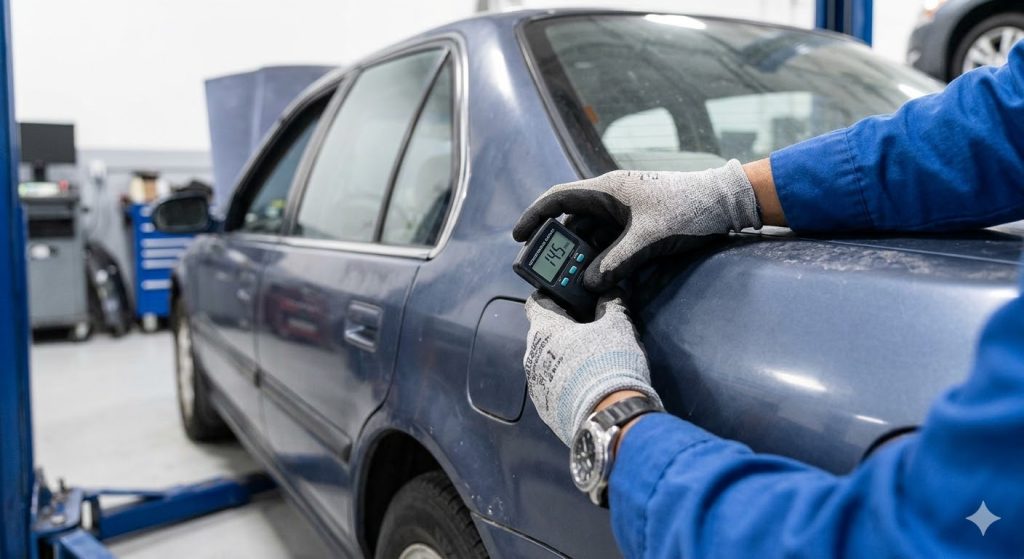
- Body and Paint Analysis – Checking for uneven panels, repainting, or signs of rust.
- Frame Integrity – Detecting bent frames or previous accident repairs.
- Safety Features – Seat belts, airbags, and safety recall verification.
After a thorough inspection, buyers receive a detailed report with photos and notes, often accompanied by recommendations on potential repairs.
Advantages Over Traditional Inspections
Mobile inspections offer several benefits over conventional shop inspections:
- Convenience – The inspector comes to the car’s location, saving time and hassle.
- Real-World Testing – Inspectors see the car in actual driving conditions rather than just in a shop bay.
- Transparency – Reports include photos and explanations, so buyers understand issues clearly.
- Fraud Detection – Mobile inspectors look for hidden damage, odometer tampering, and discrepancies that reports may miss.
In essence, mobile inspections provide peace of mind by confirming that the vehicle history aligns with its physical condition.
Spotting Red Flags That Suggest Fraud
Fraudulent activity can be subtle. Experienced mobile inspectors watch for inconsistencies and signs that a car’s history doesn’t match its condition.
Signs of Odometer Tampering
Odometer fraud is more common than most buyers think. Indicators include:
- Inconsistent wear on seats, pedals, or tires compared to reported mileage.
- Scratched or replaced dashboard screws.
- Diagnostic scans showing mileage discrepancies.
- Service records that show sudden drops in mileage.
Even if the odometer reads a low number, physical wear and tear often tells the truth.
Detecting Accident and Frame Damage
Cars involved in accidents often have subtle signs:
- Uneven panel gaps or mismatched paint.
- Warped frames or hidden welding spots.
- New parts in older sections of the car.
- Signs of undercarriage repairs or rust patches concealed under paint.
Inspectors also look for hidden damage under bumpers and inside wheel wells, areas most sellers overlook.
Hidden Title Issues and Salvage Records
Fraud can involve titles and branding issues:
- Cars may be sold with incomplete or inaccurate title histories.
- Salvage or rebuilt vehicles might appear as clean titles.
- Liens can exist that aren’t obvious in reports.
A trained inspector can cross-check VINs, title documents, and registration records to spot these discrepancies.
Texas First Auto Inspections: Expertise You Can Trust
Texas First Auto Inspections provides thorough, professional inspections designed to protect buyers from fraudulent sellers. Their team combines experience, tools, and methodical processes to uncover hidden issues.
How They Conduct Fraud-Detection Inspections
The inspection process at Texas First Auto Inspections involves:
- Verifying VIN numbers and cross-checking records.
- Inspecting mechanical systems, bodywork, and electronics.
- Looking for subtle signs of odometer rollback or accident repairs.
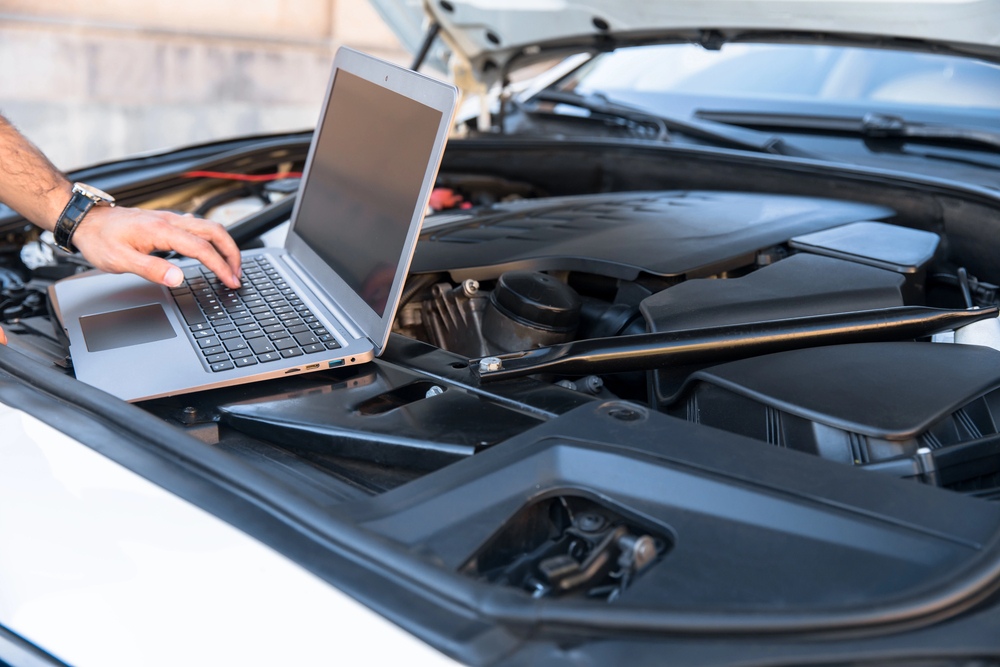
- Using diagnostic tools to validate reported mileage and maintenance history.
- Providing a detailed, easy-to-read report with photos and explanations.
This approach ensures buyers know exactly what they’re purchasing.
Tools and Technology Used
Technology enhances the inspection process:
- OBD-II Scanners – Detect engine issues and confirm mileage.
- Paint Thickness Gauges – Identify repainted panels or hidden repairs.
- Thermal Cameras – Spot water damage or overheating components.
- Frame Measurement Tools – Ensure structural integrity after accidents.
- Digital Documentation – Photos and notes compile a report that can be shared with buyers or lenders.
These tools allow inspectors to spot issues invisible to the naked eye.
The Role of Mobile Inspectors in Preventing Fraud
Mobile inspectors act like detectives, uncovering clues that indicate misrepresentation. They don’t just look at the car—they verify its story.
Cross-Checking Vehicle History with Physical Evidence
Inspectors compare the physical state of the car with its history report:
- Mileage vs. wear patterns.
- Accident claims vs. visible bodywork.
- Maintenance records vs. current engine or brake condition.
Discrepancies between the report and the car’s actual condition often signal fraud or hidden repairs.
Interviewing Sellers and Asking the Right Questions
Inspectors guide buyers in asking sellers the right questions:
- Details of past repairs or replacements.
- How long the seller has owned the car.
- Documentation of accidents or insurance claims.
A knowledgeable inspector can recognize evasive or inconsistent answers, often revealing underlying problems.
Limitations of Mobile Auto Inspections
While mobile inspections significantly reduce risk, they can’t detect everything. Buyers should understand these limits.
What Inspectors Can’t Always Detect
- Sophisticated VIN swaps or identity manipulation.
- Hidden water damage that doesn’t leave external traces.
- Future mechanical failures not currently visible.
Even the best inspection can’t predict everything, but it dramatically reduces risk.
Importance of Combining Inspections with Vehicle History Reports
The strongest defense against fraud is using multiple sources:
- Vehicle history reports provide official records.
- Mobile inspections reveal physical truths.
- Comparing both sources creates a full picture of the car’s past and present condition.
Together, they minimize the chances of buying a misrepresented vehicle.
Tips for Buyers to Protect Against Fraud
Buyers have a role in preventing fraud. Awareness and diligence make a difference.
How to Choose a Reputable Inspector
- Look for certification and experience in fraud detection.
- Ask for references or past inspection examples.
- Choose companies like Texas First Auto Inspections, which provide clear, documented results.
Reviewing Multiple Sources Before Purchase
- Cross-check reports, inspection findings, and seller statements.
- Use online VIN lookup tools, insurance records, and service history.
- The more sources you consult, the less room there is for fraud.
Texas First Auto Inspections Serving the Chimney Hill Community and Beyond in Houston
Texas First Auto Inspections is dedicated to serving the diverse needs of the local community of Houston, including individuals residing in neighborhoods like Chimney Hill. With its convenient location near landmarks such as the Officer Mook Park and major intersections like Blazey Dr. & Log Cradle Dr. (coordinates: 29.8884823451975, -95.61199004033121), we offer mobile auto inspection Houston services.
Get Mobile Auto Inspection at Chimney Hill Now
Navigate from Chimney Hill to Texas First Auto Inspections Now
Why a Mobile Auto Inspection Could Be Your Secret Weapon
When it comes to buying a used car, knowledge is power. A vehicle history report alone can leave gaps, and fraudulent sellers often know how to exploit those blind spots. Mobile auto inspections bridge that gap, uncovering hidden damage, verifying odometer readings, and flagging inconsistencies that might otherwise go unnoticed.
Services like Texas First Auto Inspections give buyers an extra layer of protection, combining advanced tools, thorough inspections, and expert guidance to ensure you know exactly what you’re buying.
Taking the time to invest in a mobile inspection isn’t just about avoiding a bad car—it’s about making an informed decision, protecting your investment, and driving away with confidence. In the world of used vehicles, a careful inspection can be the difference between a smooth ride and a costly mistake. Treat it as your secret weapon for smart, worry-free car buying.
FAQs
1. Can a mobile inspection detect a car that was in a flood?
Yes. Inspectors look for corrosion, watermarks, mold, electrical issues, and musty odors that often reveal prior flooding, even if it’s not reported.
2. How long does a mobile auto inspection take?
Typically, inspections last 60 to 90 minutes, depending on the vehicle’s size and complexity. Detailed reports may take a few additional hours to compile.
3. Can inspectors check a car’s title status?
Yes. They verify the VIN and cross-check with official records to detect salvage titles, liens, or inconsistencies.
4. Are mobile inspections more expensive than dealership inspections?
They can cost slightly more upfront, but the investment often prevents costly mistakes. Convenience, depth of inspection, and fraud detection add value.
5. Should I rely solely on an inspection to avoid fraud?
No. Combine a mobile inspection with vehicle history reports and seller verification. Together, these steps provide the clearest picture of a vehicle’s history.
