





Buying a pre owned car can feel like stepping into a minefield. You want a vehicle that looks good, runs smoothly, and won’t turn into a money pit after a few weeks.
Pre owned inspections are supposed to give peace of mind, but one big question lingers for many Houston drivers: do pre owned inspections include road testing? Let’s explore exactly what road testing involves, why it matters, and how it affects your buying decision.
Understanding Pre Owned Car Inspections
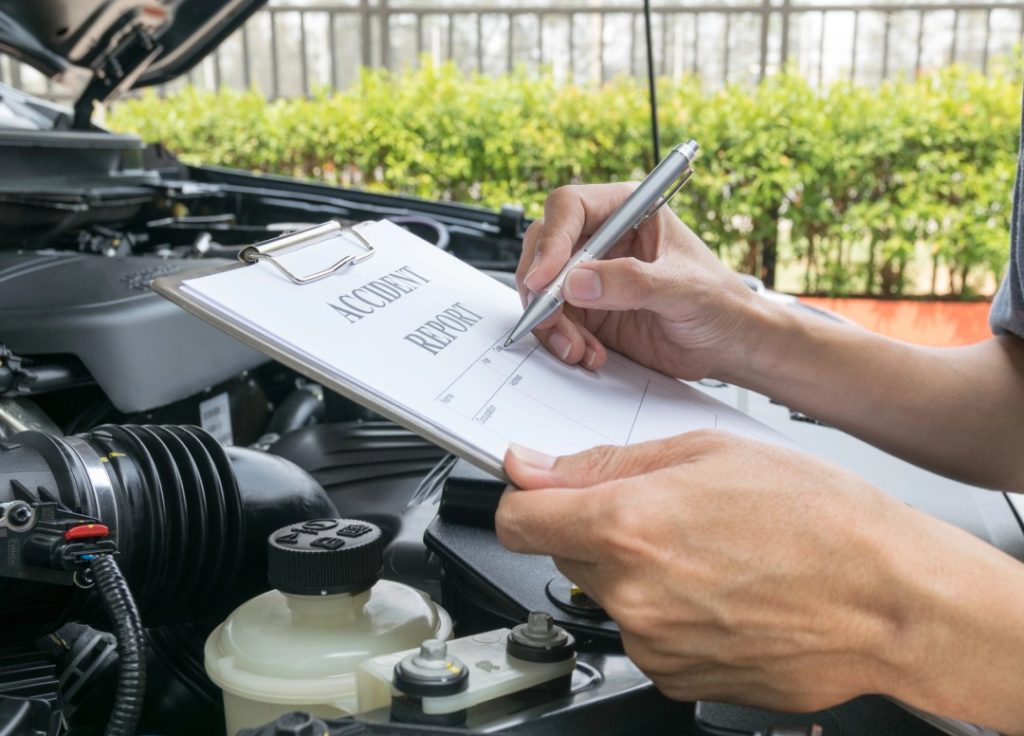
A pre owned inspection is more than a quick glance under the hood. It’s a systematic evaluation designed to identify hidden problems and give buyers an accurate picture of the car’s condition. These inspections are essential, especially in Houston, where traffic, climate, and driving habits can take a toll on vehicles over time.
What a Standard Inspection Covers
Typically, pre owned inspections include a detailed check of:
- Engine and transmission – Checking for leaks, unusual noises, and performance issues.
- Brakes and suspension – Ensuring proper stopping power and smooth handling.
- Tires and alignment – Measuring tread depth and identifying uneven wear.
- Fluids – Verifying oil, coolant, brake, and transmission fluid levels.
- Safety features – Seat belts, airbags, lights, and horn functionality.
- Electronics – Infotainment systems, dashboard lights, and power accessories.
While this covers a lot, most inspections are done while the car is stationary. That’s why road testing is critical.
Common Misconceptions About Pre Owned Inspections
Many buyers assume inspections automatically include a road test, but that isn’t always true. Some inspection services focus solely on visual and mechanical checks. Road testing is often an optional or premium feature.
Without a road test, you might miss issues like:
- Engine hesitation under load
- Transmission slipping between gears
- Brakes that feel soft at high speeds
- Steering alignment problems
In other words, a car might pass all static checks yet still perform poorly on the road.
The Importance of Road Testing
Road testing bridges the gap between theory and reality. It allows the inspector to experience the car under real-world driving conditions.
Why Road Testing Matters
Think of a road test as a live demonstration of a car’s health. A stationary check only tells part of the story. Driving the car allows the inspector to evaluate:
- Engine performance – Does it accelerate smoothly? Any unusual sounds?
- Transmission behavior – Are shifts smooth or jerky?
- Brake response – Do brakes engage firmly or feel spongy?
- Steering and handling – Does the car pull to one side? Any wobbling?
- Suspension – Does the ride feel smooth over bumps, or is it harsh and noisy?
These insights help buyers avoid cars with hidden flaws that could lead to costly repairs.
Risks of Skipping Road Tests
Skipping road testing can be risky. Without it, buyers might face:
- Unexpected repair bills – Hidden engine, brake, or transmission issues.
- Safety hazards – Faulty brakes or steering can be dangerous.
- Regretful purchases – Cars that look fine on paper may not drive well.
Essentially, a car without a road test is like buying a laptop without turning it on, you can’t truly know how it works until it’s in action.
How Road Testing Is Conducted
Professional road tests follow a structured approach to evaluate the car in real driving conditions safely.
Checklist for a Safe Road Test
Inspectors prepare the car and themselves to ensure the test is accurate and safe:
- Adjusting seats, mirrors, and seat belts
- Checking tires, brakes, and fluid levels
- Monitoring dashboard lights for warning signs
- Planning a route that includes city streets, highways, and stop-and-go traffic
Safety is always the priority, but the goal is to simulate a normal driving experience so hidden issues reveal themselves.
What Inspectors Look For on the Road
During a road test, technicians focus on several key areas:
- Engine performance – Smooth starts, acceleration, and idle
- Transmission – Hesitation, slipping, or harsh shifts
- Brakes – Consistency, responsiveness, and noise
- Steering – Alignment, responsiveness, and vibrations
- Suspension – Comfort over bumps, stability in turns
This hands-on approach ensures that no critical issue goes unnoticed.
Texas First Auto Inspections: Setting the Standard Lakes Of Autumn Run
If you want peace of mind when buying a pre owned vehicle, Texas First Auto Inspections is a trusted name in Houston. Their thorough inspections include road testing as a standard practice, ensuring no problem goes undetected.
Our Road Test Process Explained
At Texas First Auto Inspections, every vehicle undergoes:
- Static inspection – Checking mechanical and visual aspects while stationary.
- Road test – Driving in various conditions: city traffic, highways, and stop-and-go situations.
- Systematic evaluation – Inspectors note engine noises, braking, steering, and transmission behavior.
- Detailed reporting – Findings are documented clearly, giving buyers confidence before making a decision.
This combination ensures a complete picture of the car’s health.
Why Houston Drivers Trust Us
Houston residents rely on Texas First Auto Inspections because of their:
- Experienced and certified technicians
- Thorough and unbiased evaluations
- Transparent reporting that helps buyers negotiate confidently
- Commitment to safety and reliability
Buying a used car is stressful, but with a trusted inspection company, the risks are drastically reduced.
Signs a Vehicle Needs Thorough Road Testing
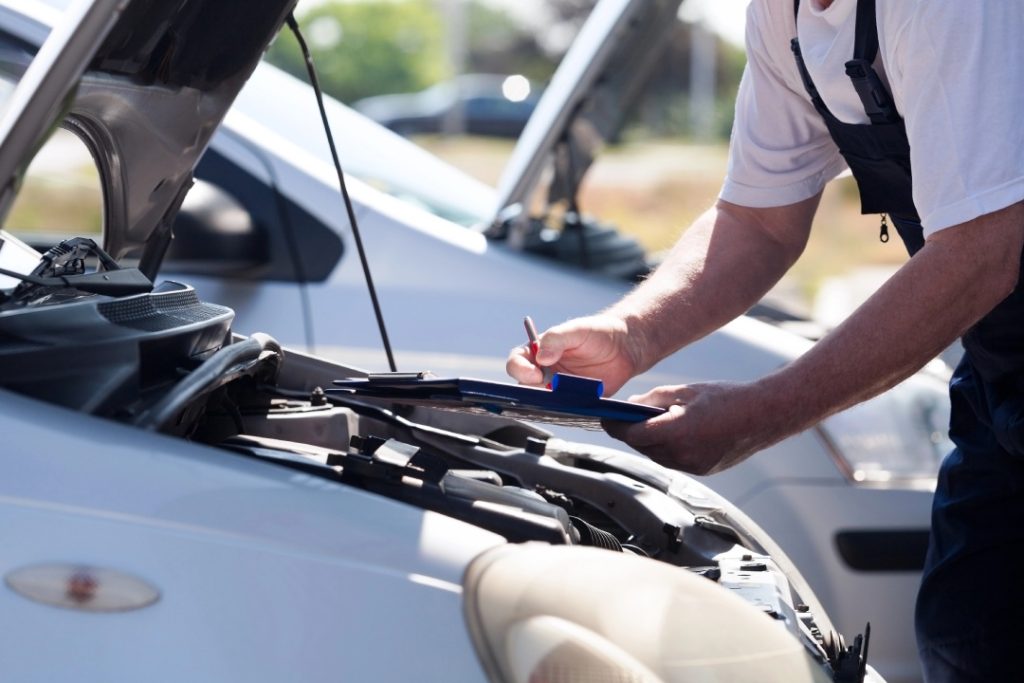
Some cars have warning signs that demand a thorough road test.
Suspicious Engine Noises
Rattles, knocks, or clicking sounds may not appear during a stationary inspection. A road test helps detect misfires, worn belts, or other engine issues that only occur under load.
Brake Performance and Handling Issues
Soft or spongy brakes, uneven braking, or pulling to one side can indicate brake or suspension problems. Driving the car reveals these issues before they become safety hazards.
Transmission and Gear Concerns
Transmission issues often remain hidden until the car is in motion. Hesitant gear shifts, slipping, or jerky movement are all caught during a proper road test.
How Road Testing Affects Your Buying Decision
A road test doesn’t just reveal problems; it empowers buyers to make smart decisions.
Spotting Hidden Problems
Even a visually perfect car may hide serious flaws. Road testing allows you to notice engine hesitation, braking inconsistencies, or steering problems that could cost thousands later.
Negotiating Price With Confidence
When road testing reveals issues, buyers can negotiate repairs, request price adjustments, or walk away entirely. Armed with accurate data, you make decisions based on facts, not assumptions.
DIY vs Professional Road Testing
Some buyers think they can do a simple test drive, but professionals offer far more insight.
What You Can Do Yourself
You can test drive, listen for engine noises, and check handling. This can reveal obvious issues like harsh brakes or steering problems.
Why Professional Inspectors Have the Advantage
Certified inspectors have trained eyes and ears to detect subtle problems that most buyers miss. They follow a checklist, compare vehicle performance to standards, and document findings systematically. Their expertise reduces risks and prevents buyer’s remorse.
Tips to Prepare for a Road Test During Inspection
Proper preparation ensures the inspection is accurate.
Scheduling Smartly
Choose a time with minimal traffic and plan a route that includes different driving conditions. This helps simulate real-world driving and uncovers hidden problems.
Preparing the Vehicle for Accurate Results
Ensure the car is fueled, tires are properly inflated, and fluids are topped off. A well-prepared vehicle allows the inspector to focus on performance issues without interference from minor, avoidable problems.
Texas First Auto Inspections Serving the Lakes Of Autumn Run Community and Beyond in Houston
Texas First Auto Inspections is dedicated to serving the diverse needs of the local community of Houston, including individuals residing in neighborhoods like Lakes Of Autumn Run. With its convenient location near landmarks such as the John Redgrave Park and major intersections like Autumn Thistle Dr & Dinner Creek Dr (coordinates: 29.87511,-95.69132), we offer certified pre owned car inspection service services.
Get Certified Pre Owned Car Inspection Service at Lakes Of Autumn Run Now
Navigate from Lakes Of Autumn Run to Texas First Auto Inspections Now
Why Road Testing Completes Every Pre Owned Inspection
Pre owned inspections without road testing are incomplete. Driving the car under real-world conditions exposes hidden problems, ensures safety, and gives buyers the confidence to make an informed purchase.
Texas First Auto Inspections in Houston guarantees that every pre owned vehicle undergoes a professional road test as part of a comprehensive inspection. Protect your investment, test it before you buy.
FAQs
1. Do all pre owned inspections include road testing?
Not every inspection includes road testing. Some focus solely on stationary mechanical checks. Texas First Auto Inspections includes a full road test in every inspection.
2. How long does a road test take during an inspection?
A typical road test lasts 15–30 minutes, covering city streets, highways, and stop-and-go traffic for a complete evaluation.
3. Can I do a road test myself before buying?
You can, but subtle issues might go unnoticed. Professional inspectors have the experience and trained senses to detect hidden problems.
4. What issues are most commonly found during road testing?
Engine hesitation, transmission problems, braking inconsistencies, steering misalignment, and suspension issues are often revealed during road tests.
5. Does Texas First Auto Inspections provide reports after the road test?
Yes, detailed reports document every finding, allowing buyers to make informed decisions confidently.
