





Why Small Costs Prevent Massive Expenses
A $200 inspection might not grab your attention at first. It feels like a routine expense, something easy to postpone. Yet that small investment can act as a shield against repairs that could easily climb into the thousands. Cars don’t suddenly fall apart overnight. Problems build slowly, quietly, and often out of sight.
Think of your vehicle like your body. You wouldn’t ignore a check-up for years and expect everything to stay fine. The same logic applies here. A simple inspection helps uncover issues before they spiral out of control. It’s not about spending money, it’s about protecting your finances.
The Hidden Risks in Skipping Inspections
Skipping inspections might save a few dollars today, but it often leads to expensive consequences later. Most vehicle problems begin as minor defects. A loose hose, a worn belt, or a slight fluid leak can seem harmless at first. Left alone, these small issues grow into major mechanical failures.
Drivers often assume no warning signs means no problems. That assumption causes trouble. Many issues develop internally without obvious symptoms until the damage is already severe. By the time you notice something wrong, the repair bill has already grown.
Real-Life Costly Mistakes
Imagine driving daily with a small coolant leak. You don’t see any immediate danger, so you keep going. Weeks pass, and the engine overheats during rush hour. That minor leak turns into a blown head gasket or even a full engine replacement.
These situations happen more often than people realize. One overlooked issue can create a domino effect, damaging multiple systems at once. A simple inspection could have caught the problem early, saving thousands and avoiding the stress of a breakdown.
What Is a Vehicle Inspection and Why It Matters
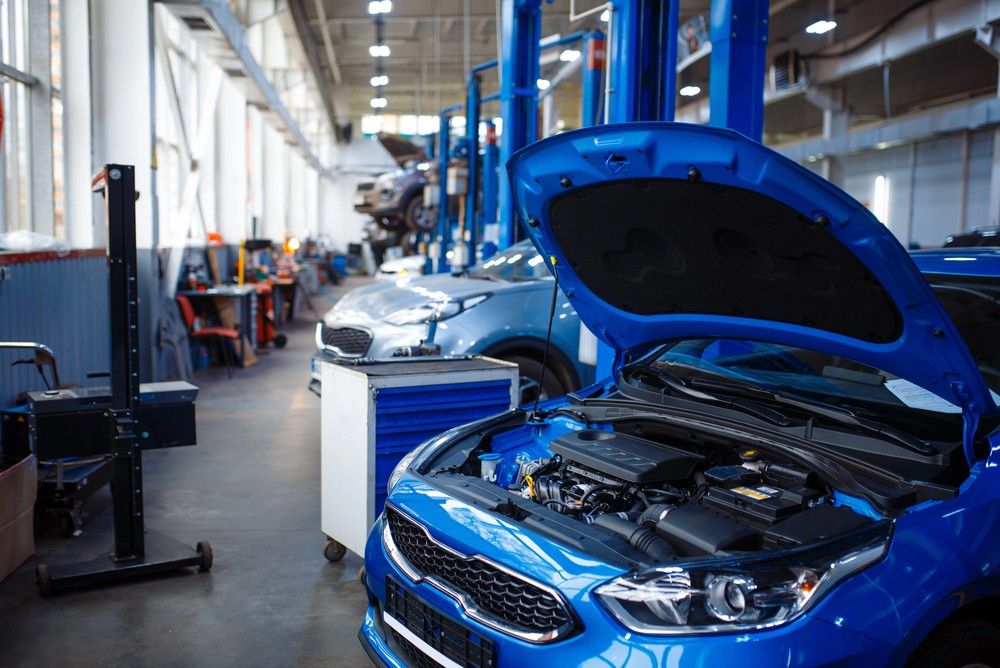
A vehicle inspection involves a detailed evaluation of your car’s condition. It goes beyond basic maintenance. Technicians check critical systems, assess wear and tear, and identify hidden risks.
This process gives you a clear picture of your car’s health. It removes the guesswork and replaces it with facts. That knowledge helps you make smart decisions about repairs and maintenance.
Key Components Checked During Inspection
Engine and Transmission
The engine serves as the heart of your vehicle. Inspectors check for leaks, unusual noises, and performance issues. Transmission systems receive equal attention because repairs in this area can become extremely expensive if ignored.
Brakes and Suspension
Your brakes play a direct role in safety. Worn brake pads or leaking brake fluid can put you at risk. Suspension issues affect how your car handles, especially on uneven roads. An inspection ensures these systems work properly.
Electrical Systems
Modern vehicles rely heavily on electrical components. Batteries, wiring, sensors, and onboard computers all need to function correctly. A faulty electrical system can lead to unexpected breakdowns or performance issues.
The True Cost of Ignoring Minor Issues
How Small Problems Snowball
A cracked belt might not seem urgent. It still works, so it feels safe to delay. That belt eventually snaps, possibly damaging other engine components. What started as a minor repair becomes a major one.
This pattern repeats across all vehicle systems. Small issues rarely stay small. They grow, spread, and cause more damage over time.
Financial Impact Over Time
Ignoring maintenance doesn’t save money, it shifts the cost into the future. A $100 fix today could turn into a $1,000 repair next month. Wait longer, and the cost might reach $5,000 or more.
That’s why inspections make financial sense. They stop problems early, keeping repair costs manageable.
Houston Driving Conditions and Their Impact
Driving in Houston puts extra stress on vehicles. The environment and traffic patterns accelerate wear and tear.
Heat, Humidity, and Wear
High temperatures affect nearly every part of your car. Engines run hotter, fluids break down faster, and batteries lose efficiency. Humidity can also contribute to corrosion over time.
These conditions demand regular inspections to keep everything running smoothly.
Traffic and Stop-and-Go Damage
Houston traffic forces drivers into constant braking and acceleration. This pattern wears down brake pads, strains transmissions, and reduces fuel efficiency.
Frequent inspections help catch the damage caused by daily driving conditions.
How a $200 Inspection Saves You Thousands
Early Detection Equals Lower Repair Costs
Catching a problem early often means replacing a single part instead of an entire system. For example, replacing worn brake pads costs far less than replacing damaged rotors and calipers.
Early detection gives you control over repair costs.
Preventing Emergency Breakdowns
Breakdowns rarely happen at convenient times. They occur during busy commutes or long trips. An inspection reduces the chances of unexpected failures, helping you avoid towing fees and emergency repairs.
Texas First Auto Inspections: Your Trusted Partner in Windsong
When it comes to protecting your vehicle, choosing the right inspection service matters. Texas First Auto Inspections provides thorough evaluations designed to catch issues early and give drivers peace of mind.
Their team focuses on accuracy and transparency. Instead of vague recommendations, they deliver clear insights about your car’s condition. Drivers in Houston trust their expertise because they know every detail gets careful attention.
When Should You Get an Inspection?
Before Buying a Used Car
Buying a used car without an inspection feels like taking a gamble. A pre-purchase inspection reveals hidden issues that sellers might not mention. It helps you avoid costly surprises after the purchase.
Routine Maintenance Timing
Routine inspections every 6 to 12 months keep your vehicle in good condition. Regular checks prevent minor problems from turning into major repairs.
Red Flags That Signal You Need an Inspection
Strange Sounds and Warning Lights
Unusual noises, grinding sounds, or dashboard warning lights indicate something isn’t right. Ignoring these signals can lead to bigger problems.
Performance Changes
If your car feels sluggish, struggles to accelerate, or consumes more fuel than usual, it’s time for an inspection. These changes often point to underlying issues.
The Psychology of Preventive Maintenance
Why People Delay Inspections
Many drivers delay inspections because the car seems fine. The absence of obvious problems creates a false sense of security. People tend to avoid expenses that don’t feel urgent.
Changing the Mindset
Viewing inspections as an investment changes everything. That small upfront cost protects your finances and reduces stress in the long run.
Comparing Inspection Cost vs Repair Cost
Real Examples and Scenarios
Replacing a worn tire early costs far less than dealing with a blowout that damages your suspension. Fixing a minor oil leak prevents engine damage that could cost thousands.
An inspection helps you stay ahead of these scenarios.
How to Choose the Right Inspection Service
Certifications and Experience
Look for experienced technicians with proper certifications. Skilled professionals can identify issues that others might miss.
Customer Reviews and Transparency
A reliable service provides clear reports and honest recommendations. Positive customer feedback often reflects consistent quality.
Step-by-Step: What Happens During an Inspection
Initial Assessment
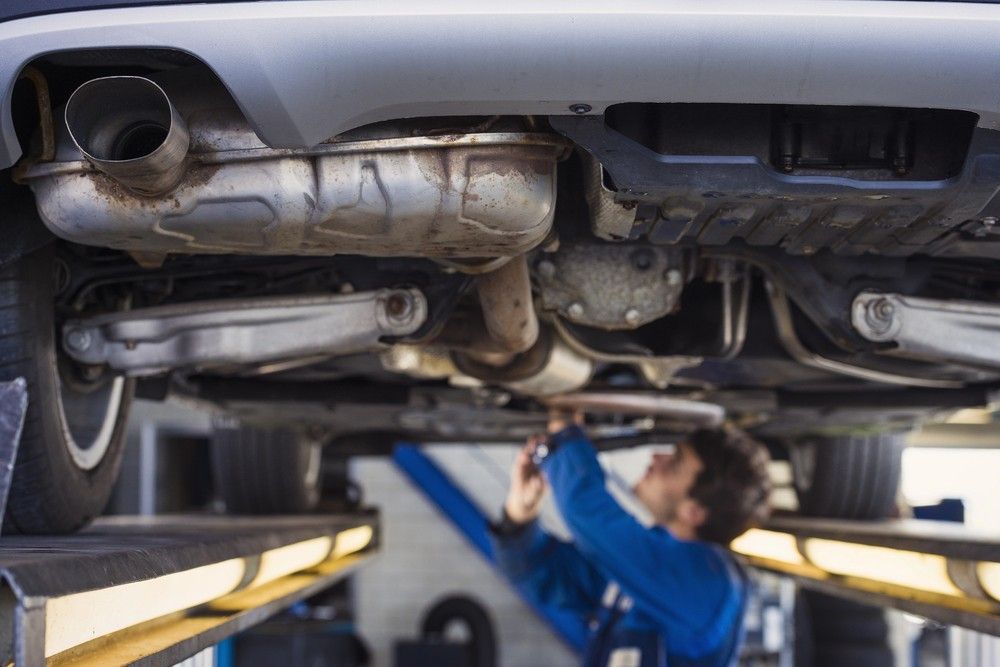
The process begins with a visual inspection and basic checks. Technicians look for obvious signs of wear or damage.
Detailed Diagnostics
Advanced tools help identify hidden problems. This stage ensures no issue goes unnoticed.
Final Report
You receive a detailed report outlining findings and recommended actions. This report helps you plan repairs and maintenance.
Long-Term Benefits of Regular Inspections
Increased Vehicle Lifespan
Regular inspections keep your car in excellent condition. Addressing issues early helps extend its lifespan.
Better Resale Value
A well-maintained car attracts higher resale value. Buyers feel more confident when they see a documented history of inspections.
Texas First Auto Inspections Serving the Windsong Community and Beyond in Houston
Texas First Auto Inspections is dedicated to serving the diverse needs of the local community of Houston, including individuals residing in neighborhoods like Windsong. With its convenient location near landmarks such as the Peggy Wilson Elementary School and major intersections like Sagecroft Dr & Valleyknoll Dr (coordinates: 29.85062,-95.67336), we offer pre purchase inspection Houston services.
Get Pre Purchase Inspection Services at Windsong Now
Navigate from Windsong to Texas First Auto Inspections Now
Protect Your Wallet Before Problems Take the Wheel
A $200 inspection might seem minor, yet it holds the power to prevent thousands in repair costs. Skipping it exposes you to risks that build over time and strike when you least expect it. Houston’s demanding driving conditions make regular inspections even more important.
Choosing a trusted service like Texas First Auto Inspections ensures your vehicle stays reliable, safe, and cost-efficient. That small investment today protects your wallet and keeps you on the road without unnecessary stress.
FAQs
1. How often should I schedule a vehicle inspection?
Most vehicles benefit from an inspection every 6 to 12 months, depending on driving habits and conditions.
2. What does a $200 inspection include?
It typically covers engine checks, brakes, suspension, electrical systems, and overall vehicle condition.
3. Can inspections really prevent expensive repairs?
Yes. They help identify issues early, reducing the risk of major failures.
4. Is an inspection necessary for newer vehicles?
Newer cars still require inspections. Early checks ensure everything functions properly.
5. How long does an inspection take?
Most inspections take around one to two hours, depending on the level of detail.
