


Vehicle safety is not only about careful driving. It also depends on how well a car, truck, or SUV is maintained over time. A professional vehicle inspection service helps identify problems early, supports road safety, and protects drivers, passengers, and other road users.
Whether you drive daily for work or only on weekends, routine inspections play a major role in keeping your vehicle reliable. In this guide, we explain why vehicle inspections matter, what they include, and how they support long-term safety and performance.
Understanding Vehicle Inspection Services
A vehicle inspection service is a structured review of a vehicle’s major systems to confirm they meet safety and operational standards. These inspections may be required by law in some areas or recommended as part of routine vehicle maintenance.
Most inspections check key components such as:
- Brakes
- Tires
- Steering and suspension
- Lights and signals
- Emissions systems
- Windshield and wipers
- Battery and electrical components
As defined in guidelines from the National Highway Traffic Safety Administration, regular vehicle checks help reduce the risk of mechanical failure on the road. While drivers may notice obvious issues, many problems develop gradually and are not easy to detect without a trained inspection.

The Direct Link Between Inspections and Road Safety
Early Detection of Mechanical Problems
One of the main benefits of a vehicle inspection service is early problem detection. Small issues such as worn brake pads or uneven tire wear can grow into serious safety risks if ignored.
For example:
- Worn brakes increase stopping distance
- Low tire tread reduces traction in wet conditions
- Loose suspension parts affect steering control
By identifying these concerns early, inspections help drivers fix problems before they lead to breakdowns or accidents.
Preventing Unexpected Breakdowns
Breakdowns rarely happen without warning signs. However, many drivers miss subtle symptoms. A professional inspection reviews systems methodically, reducing the chance of sudden roadside failures.
This is especially important for:
- Long-distance commuters
- Families traveling with children
- Commercial vehicle operators
- Older vehicles with higher mileage
Routine inspections provide peace of mind that your vehicle is prepared for daily driving demands.
Key Safety Components Checked During an Inspection
Not all vehicle parts carry the same safety weight. Inspection services focus heavily on systems that directly affect control, visibility, and stopping ability.
Brake System Evaluation
Brakes are among the most important safety features in any vehicle. Inspectors typically check:
- Brake pad thickness
- Rotor condition
- Brake fluid level
- Signs of leaks
Even slight brake wear can change stopping performance. Regular checks help maintain consistent braking power.
Tire Condition and Alignment
Tires are the only part of the vehicle that touches the road. During an inspection, technicians review:
- Tread depth
- Sidewall damage
- Air pressure
- Uneven wear patterns
Proper tire condition improves handling, fuel efficiency, and wet-road traction.
Lights and Visibility Systems
Visibility affects both safety and legal compliance. Inspection services usually review:
- Headlights and high beams
- Brake lights
- Turn signals
- Hazard lights
- Windshield wipers
- Washer fluid
Clear visibility helps drivers react quickly to changing road conditions.
Legal and Compliance Benefits
Meeting State Requirements
In many areas, vehicle inspections are required for registration renewal. Drivers in Texas, for example, may need periodic safety or emissions checks depending on the county and vehicle type.
Failing to complete required inspections can lead to:
- Registration delays
- Fines or penalties
- Driving restrictions
Staying current with inspections helps avoid administrative issues while keeping vehicles road-ready.
Supporting Emissions Standards
Many inspection programs include emissions testing. This ensures vehicles meet environmental standards and do not produce excessive pollutants.
Emissions checks typically review:
- Exhaust system condition
- Onboard diagnostic codes
- Fuel system performance
Maintaining emissions compliance supports cleaner air and better engine efficiency.
Financial Advantages of Regular Inspections
Some drivers see inspections as an added expense. In reality, they often save money over time by preventing major repairs.
Lower Long-Term Repair Costs
Small repairs are usually less expensive than major component failures. For instance:
- Replacing brake pads is cheaper than replacing rotors and calipers
- Fixing a minor oil leak costs less than engine damage
- Correcting tire alignment extends tire life
Routine inspections help identify these small issues early, reducing the chance of costly surprises.
Better Fuel Efficiency
A well-maintained vehicle generally uses fuel more efficiently. Inspection services often uncover problems that affect fuel economy, such as:
- Underinflated tires
- Dirty air filters
- Engine performance issues
- Misfiring spark plugs
Addressing these concerns can improve miles per gallon and reduce fuel expenses.
Improving Vehicle Lifespan and Reliability
Vehicles are long-term investments. Regular inspections support consistent performance and help extend the usable life of major components.
Protecting Major Systems
Engine, transmission, and suspension systems experience gradual wear. Inspection services monitor warning signs such as:
- Fluid leaks
- Unusual vibrations
- Warning lights
- Excessive wear patterns
By fixing issues early, drivers can keep their vehicles running smoothly for more years.
Supporting Resale Value
A documented inspection history can also help maintain resale value. Buyers often prefer vehicles with:
- Verified maintenance records
- Recent safety inspections
- No major unresolved issues
This can make the selling process faster and may support a stronger asking price.
Safety Benefits for Families and Daily Drivers
For families, vehicle safety carries added importance. Daily commutes, school drop-offs, and road trips all depend on a reliable vehicle.
Regular inspections help ensure:
- Child passengers ride in a safe vehicle
- Night driving visibility remains clear
- Emergency braking works properly
- Tires perform well in rain
When talking about everyday driving risks, proactive maintenance is one of the simplest ways to reduce avoidable problems.
When Should You Schedule a Vehicle Inspection?
Inspection timing depends on several factors, including vehicle age, mileage, and driving conditions.
Common Recommended Intervals
Most drivers benefit from inspections:
- Once per year
- Before long road trips
- After purchasing a used vehicle
- When warning lights appear
- After hitting major potholes or curbs
High-mileage vehicles or commercial fleets may need more frequent checks.
Warning Signs You Should Not Ignore
Even between scheduled inspections, drivers should watch for signs that suggest a check is needed:
- Grinding or squealing brakes
- Steering pulling to one side
- Dashboard warning lights
- Unusual vibrations
- Reduced fuel efficiency
- Flickering lights
Addressing these early helps maintain safety and performance.
Choosing a Qualified Vehicle Inspection Provider
Not all inspection services offer the same level of detail. Drivers should look for providers that follow structured procedures and use modern diagnostic tools.
What to Look For
A reliable inspection provider typically offers:
- Certified inspectors
- Digital diagnostic equipment
- Clear inspection reports
- Transparent pricing
- State-compliant procedures
Working with experienced professionals helps ensure nothing important is overlooked.
Why Many Drivers Trust Texas First Auto Inspections
Drivers looking for thorough and reliable service often choose Texas First Auto Inspections for their vehicle inspection needs. A structured inspection process helps identify safety concerns early while keeping vehicles compliant with state requirements.
Professional inspections support:
- Safer daily driving
- Early issue detection
- Compliance with local regulations
- Better long-term vehicle performance
Choosing an experienced inspection provider helps drivers stay confident on the road.
The Role of Technology in Modern Vehicle Inspections
Vehicle inspections today are more advanced than simple visual checks. Modern vehicles include complex electronic systems that require digital diagnostics.
Onboard Diagnostics and Computer Scans
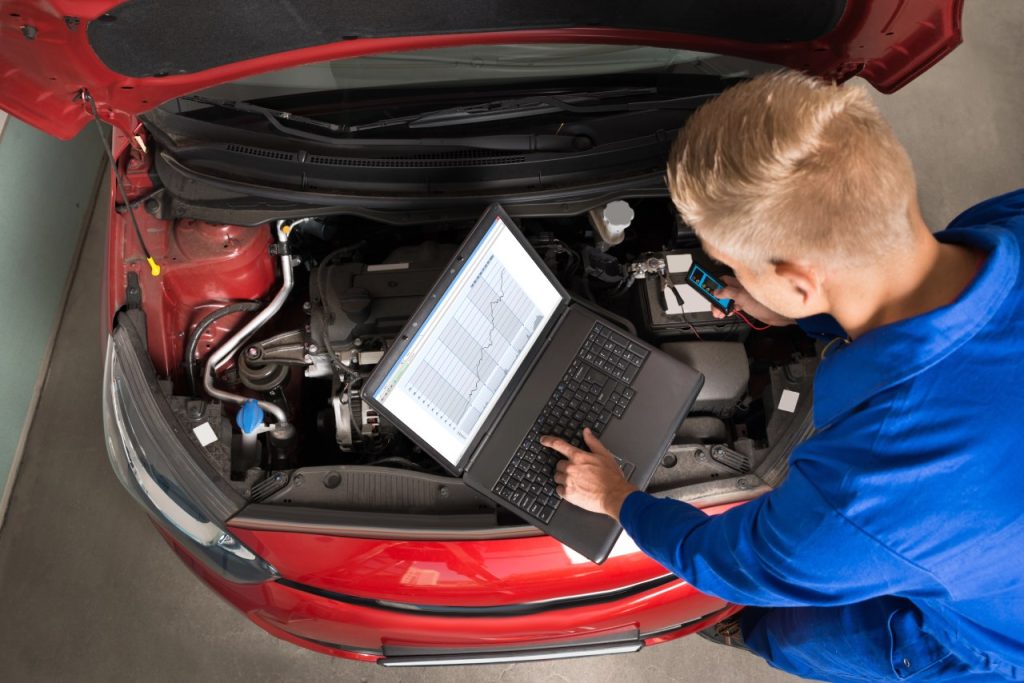
Most vehicles manufactured in the United States since the late 1990s include onboard diagnostic systems. During inspections, technicians often use scan tools to:
- Read engine fault codes
- Check emissions readiness
- Monitor sensor performance
- Identify hidden issues
This technology improves accuracy and helps detect problems that are not visible during manual checks.
Advanced Safety System Checks
Newer vehicles may include driver assistance features such as:
- Anti-lock braking systems
- Electronic stability control
- Backup cameras
- Lane departure warnings
Modern inspection services often review these systems to confirm they function correctly.
Why Choose Texas First Auto Inspections for Vehicle Inspection Services Near Ravensway Community
When it comes to keeping your vehicle safe and road-ready, choosing the right inspection provider makes a real difference. At Texas First Auto Inspections, drivers in Houston and the Ravensway community know they are getting dependable, thorough, and professional service every time.
Experienced Inspectors You Can Trust
Our trained inspection team follows a structured process to check the systems that matter most for safety and compliance. From brakes and tires to lights and emissions, every vehicle inspection is handled with attention to detail. We focus on accuracy so you can drive with confidence.
Fast and Convenient Service
We understand your time is valuable. Our streamlined inspection process helps minimize wait times while still maintaining a careful and complete review of your vehicle. Whether you are preparing for registration renewal or simply want peace of mind, we make the process smooth and efficient.
State-Compliant Inspections
Vehicle requirements in Texas can change over time. Our team stays current with the latest state guidelines to help ensure your vehicle meets required safety and emissions standards. This helps you avoid delays, penalties, or repeat visits.
Clear Results With No Guesswork
After your inspection, we provide straightforward feedback about your vehicle’s condition. If any issues are found, you will know exactly what needs attention and why it matters. We believe informed drivers make better maintenance decisions.
Convenient for Houston and Ravensway Drivers
Located to serve drivers throughout Houston and nearby Ravensway, our shop is an easy stop whether you are commuting, running errands, or preparing for a road trip. Local drivers choose us because we combine professional service with neighborhood convenience.
Schedule Your Vehicle Inspection Today
If you want a reliable vehicle inspection service in Houston nearby Ravensway, trust the team at Texas First Auto Inspections. Stay compliant, stay prepared, and stay confident on the road.
Visit us today or call now to get your vehicle inspection completed quickly and professionally
Texas First Auto Inspections Serving the Ravensway Community and Beyond in Houston
Texas First Auto Inspections is dedicated to serving the diverse needs of the local community of Houston, including individuals residing in neighborhoods like Ravensway. With its convenient location near landmarks such as the Ravensway Court and major intersections like Lakecrest Dr. and New Kentucky Rd. (coordinates: 29.960424393231097, -95.622400373409), we offer vehicle inspection service Houston.
Get Vehicle Inspection Service At Ravensway Now
Navigate from Ravensway to Texas First Auto Inspections Now
Final Thoughts
A vehicle inspection service plays an important role in maintaining road safety, preventing costly repairs, and supporting reliable vehicle performance. Regular inspections help detect mechanical problems early, confirm legal compliance, and protect drivers and passengers during everyday travel.
Instead of waiting for warning signs or breakdowns, scheduling routine inspections is a practical step toward safer driving. With professional support and consistent maintenance, drivers can extend vehicle life, improve performance, and travel with greater confidence.
FAQs
1. What is included in a standard vehicle inspection service?
A standard vehicle inspection typically reviews key safety and operational systems, including brakes, tires, steering, suspension, lights, windshield wipers, battery, and emissions systems. This ensures your vehicle meets safety standards and helps identify issues before they become serious problems.
2. How often should I have my vehicle inspected?
Most drivers benefit from a professional inspection at least once a year, before long trips, or when purchasing a used vehicle. Vehicles with higher mileage or heavy daily use may need inspections more frequently to maintain safety and performance.
3. What parts of the vehicle are typically checked during an inspection?
Most vehicle inspections review major safety components, including the brake system, tire condition, suspension, steering, lights, windshield wipers, battery, and emissions system. The goal is to confirm the vehicle meets safety and operational standards.
4. Do vehicle inspections help with legal and emissions compliance?
Absolutely. In many areas, including Texas, inspections ensure your vehicle meets state safety and emissions standards. Completing inspections on time helps avoid registration delays, fines, and penalties while keeping your vehicle road-ready.
5. Why should I choose Texas First Auto Inspections for my vehicle check?
Texas First Auto Inspections offers professional, state-compliant inspections with trained technicians, modern diagnostic tools, and clear reports. Drivers in Houston and Ravensway trust us for reliable, thorough inspections that enhance safety, performance, and peace of mind.
