


Buying a used car can feel like stepping into a labyrinth. You want the perfect combination of reliability, style, and price—but one wrong turn could cost you thousands. Before you fall in love with a shiny exterior or a flashy dashboard, it’s crucial to know exactly where to start.
A first check isn’t just a casual glance—it’s a strategic move that can save you time, money, and stress. Think of it as a first impression for your wallet; you want to make sure the car is worth your investment before committing.
In this guide, we’ll walk you through every essential step, from exterior inspection to paperwork, helping you make a confident purchase in Lakewood Forest.
Why a First Check Matters
So why is the first check so important? Imagine buying a car that looks perfect on the outside, only to find out a week later that the engine has serious issues or the brakes are worn out.
The first inspection is like putting up a safety net—it catches hidden problems before they become expensive surprises. This initial evaluation sets the tone for deeper inspections and helps you make informed decisions.
In short, it’s not just about spotting problems; it’s about understanding the car’s history, care, and condition.
Start with the Exterior: First Impressions Count
The exterior is the car’s handshake to the world. Scratches, dents, or rust aren’t just cosmetic—they can indicate underlying problems or careless handling by previous owners. Even subtle issues can affect the car’s value and performance.
Before opening doors or popping the hood, take a slow, deliberate walk around the vehicle. Look at the panels, doors, and bumpers from different angles and in natural light. You’re not just looking—you’re reading the car’s story, and every dent or scratch has something to say.
Inspect the Bodywork for Dents and Scratches
Small scratches are normal—cars live life too—but large dents, uneven gaps, or repaired panels can be a warning sign of prior accidents. Run your hand along the surface; your fingers often catch imperfections your eyes might miss.
Look for subtle waves or mismatched panels that indicate bodywork repairs. Think of the car like a book; each dent or scratch is a footnote telling you about its past adventures—or mishaps.
Check the Paint Consistency
Mismatched paint is more than an aesthetic issue; it often signals body repairs. Look closely at edges, under trim, and around doors for overspray or color inconsistencies. The texture should feel uniform—rough patches or unusual gloss can indicate repainting. Even minor differences can hint at past accidents or repairs, which might affect insurance claims or resale value.
Examine Tires and Wheels
Tires are your car’s shoes, and they tell a lot about how the car has been treated. Uneven wear may point to alignment problems or suspension issues. Check for cracks, bulges, or bald spots, and inspect the rims for bends, scratches, or corrosion. Worn or mismatched tires can be expensive to replace and may indicate neglected maintenance.
Peek Under the Hood: Mechanical Health
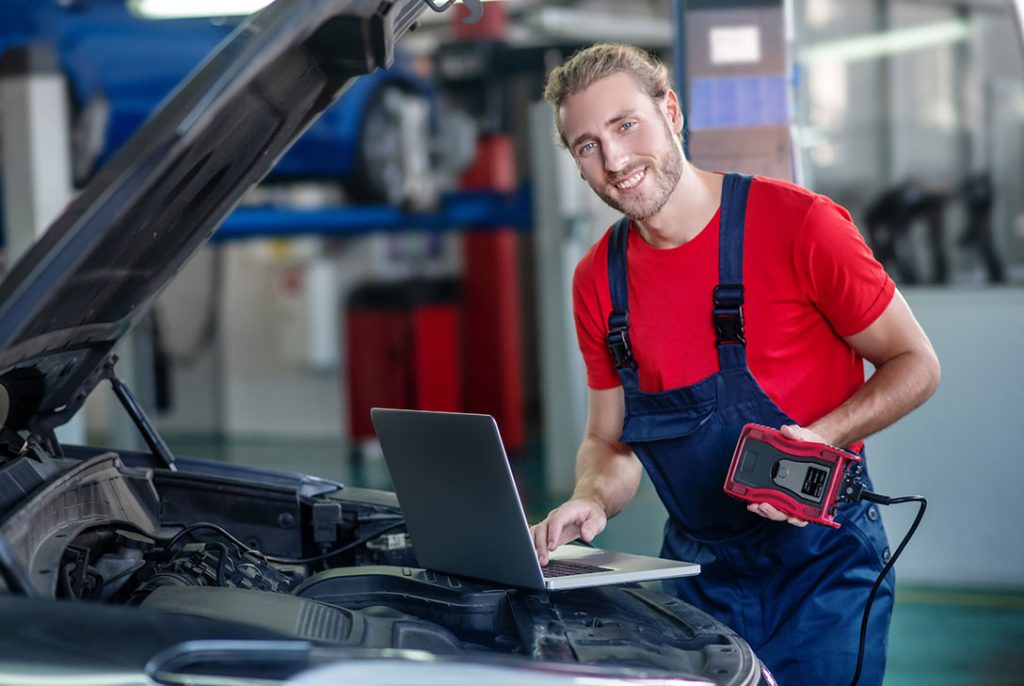
The engine bay is where the heart of the car beats. Even if you’re not a mechanic, a visual inspection can reveal early signs of trouble. Look for leaks, corrosion, or worn components.
Pay attention to fluid levels and color—these are simple but telling indicators. This isn’t about diagnosing every problem; it’s about spotting anything unusual that warrants a closer look. Think of it as reading the pulse of your future car.
Engine Condition and Fluids
Check the oil, brake fluid, coolant, and transmission fluid. Clean, properly colored fluids suggest regular maintenance, while dark, sludgy oil can indicate neglect. Look for oil leaks or wet spots around the engine block.
Even small signs of leakage or poor fluid quality can become costly repairs if ignored. A healthy engine not only starts easily but also promises smoother rides and longer life.
Belts, Hoses, and Battery Check
Belts and hoses are like the arteries of the car—they keep everything running smoothly. Inspect for cracks, fraying, or stiffness. A weak battery or corroded terminals can lead to unexpected breakdowns. Even if the car starts without a hitch, worn belts or hoses could fail soon after purchase. Replacing them early can save you from roadside emergencies.
Look Inside: Interior and Comfort Features
Step inside and take a deep breath. The interior reflects how the car was treated daily. Check for wear on seats, carpets, and headliners. Test electronics, air conditioning, heating, and lights. Even minor interior issues can affect your comfort and the car’s value. Consider it your first “road test” without driving—the interior gives clues about the car’s personality and history.
Seat Condition and Wear Signs
Seats reveal a lot about a car’s usage. Check for tears, stains, or worn spots, especially on the driver’s seat. Uneven wear can indicate heavy use or poor maintenance. Leather may crack if not cared for, while fabric can fade or tear. Seats are not just about comfort; they reflect the daily story of the car and its previous owners.
Dashboard, Electronics, and Odometer
Test every switch, light, and electronic feature. Make sure the odometer reading matches service records, and watch for any warning lights.
A dashboard that behaves correctly is a sign of proper care, while inconsistent or malfunctioning electronics may indicate electrical problems. Think of this step as checking the car’s nervous system—it tells you how well everything communicates and works together.
Test Drive Essentials
The real proof comes on the road. A test drive exposes problems a stationary inspection can’t. Listen, feel, and notice everything—from acceleration to braking to handling. This is where your senses become your best mechanic. A test drive isn’t just fun; it’s essential for safety and reliability.
Brake Performance
Push the brake pedal firmly and steadily. The car should stop smoothly without pulling to one side. Listen for squeals or grinding, and feel for vibrations. Poor braking performance is a major safety concern and can be expensive to fix.
Steering, Suspension, and Transmission
Steer, corner, and navigate bumps to test suspension and handling. Clunks, rattles, or vibrations may indicate worn shocks, struts, or bushings. Automatic transmissions should shift smoothly, while manual cars should engage gears without grinding. Uneven handling can affect ride quality and long-term durability.
Paperwork and Vehicle History
The legal and historical side of buying a car is just as important as its physical state. Confirm the title is clean, the VIN matches, and there are no hidden liens or salvage designations. A well-documented vehicle history reduces the risk of unexpected issues. Paperwork is like the car’s biography; it tells the full story, from accidents to maintenance to ownership.
Title Check and VIN Verification
A title with “salvage” or “rebuilt” labels affects insurance and resale. Verify the VIN on the car matches the paperwork. A mismatch could indicate fraud or theft. Even if the car looks perfect, discrepancies in documentation are a major red flag.
Service Records and Accident History
Ask for service records and accident reports. Consistent maintenance, like regular oil changes, signals responsible ownership. Gaps in records or repeated repairs may indicate underlying problems. Knowing the car’s history helps you anticipate potential future costs and gives you leverage for negotiation.

How Texas First Auto Inspections Helps Buyers in Lakewood Forest
If you’re in Lakewood Forest, Texas First Auto Inspections can be your best ally. Their team conducts comprehensive third-party inspections covering engine health, frame integrity, electronics, and more.
Think of them as your car’s personal detective—they uncover hidden issues and give you a complete report so you can buy with confidence. For anyone wary of surprises, their expertise is invaluable.
Red Flags That Can’t Be Ignored
Some problems are negotiable, others are deal-breakers. Spotting these early saves money and stress. Pay attention to signs of water damage, leaks, smoke, odd smells, and structural issues. Trust your instincts—if something feels off, it probably is.
Signs of Water Damage
Musty odors, water stains, and rust in unusual places often indicate flood damage. A car may look fine, but water can ruin electronics, corrosion can weaken the structure, and hidden problems may appear months later. Flooded vehicles are expensive to repair and unsafe in the long run.
Smoke, Odd Smells, and Leaks
Smoke from the exhaust, strange smells inside, or visible leaks are all warning signs. Even minor issues can indicate major problems under the surface. Follow your senses—they often detect what your eyes can’t.
Negotiating After the First Inspection
Use your inspection notes to negotiate. Documented issues give you leverage to lower the asking price or request repairs before purchase. A thorough first check ensures you don’t pay for someone else’s neglect. Knowledge is power—the more you know, the stronger your bargaining position.
Texas First Auto Inspections Serving the Lakewood Forest Community and Beyond in Houston
Texas First Auto Inspections is dedicated to serving the diverse needs of the local community of Houston, including individuals residing in neighborhoods like Lakewood Forest. With its convenient location near landmarks such as the Matzke Park and major intersections like Creekway Dr and Grant Rd (coordinates: 29.97572,-95.60156), we offer vehicle inspection service Houston services.
Get Vehicle Inspection Service at Lakewood Forest Now
Navigate from Lakewood Forest to Texas First Auto Inspections Now
Conclusion
The first thing to check on a used car isn’t just one item—it’s a series of thoughtful steps. Inspecting the exterior, engine, interior, performing a test drive, and reviewing paperwork together paint the full picture of the car’s condition.
For buyers in Lakewood Forest, teaming up with professionals like Texas First Auto Inspections ensures peace of mind. Start smart, inspect thoroughly, and drive away confident that your investment is safe, reliable, and worth every penny. A well-inspected car today saves headaches tomorrow.
FAQs
1. What is the single most important thing to check on a used car first?
Start with the exterior and engine. These areas reveal most signs of neglect or damage early and help guide further inspection.
2. How can I tell if a used car has been in an accident?
Look for uneven paint, mismatched panels, misaligned doors, or frame damage. Professional inspections provide added certainty.
3. Is it worth hiring an inspector for a used car?
Absolutely. Experts like Texas First Auto Inspections uncover hidden problems you might miss, preventing expensive surprises.
4. How do I know if the engine is healthy?
Check fluids, look for leaks, and ensure smooth operation during a test drive. A healthy engine runs quietly and reliably.
5. Can paperwork reveal hidden car problems?
Yes. Titles, service records, and VIN history reveal accidents, odometer tampering, and inconsistent maintenance, providing critical insight into the car’s condition.
