





A test drive gives you a quick feel of a vehicle, not the full truth. It shows how the car behaves in a short, controlled moment. You press the accelerator, turn the wheel, hit the brakes, and listen for obvious noise. That’s it.
The problem starts right there. Cars don’t always show their real condition in 10–15 minutes of driving.
A vehicle can hide issues like:
- Early engine wear
- Weak suspension components
- Electrical faults waiting to appear
- Transmission problems that show only when hot
- Leaks that only show after long parking
A smooth ride can trick even experienced drivers. Some problems need heat, pressure, or time to surface. A test drive rarely gives enough of any of those.
Mechanics don’t rely on impressions. They rely on inspection points, measurements, tools, and systems that reveal what the road cannot.
That difference is where costly surprises begin or end.
The Hidden Systems You Can’t Feel Behind the Wheel
Modern vehicles behave like computers on wheels. Many issues live deep inside electronic systems or internal components you cannot sense while driving.
A mechanic checks what your body cannot detect.
Computer Diagnostics and Trouble Codes
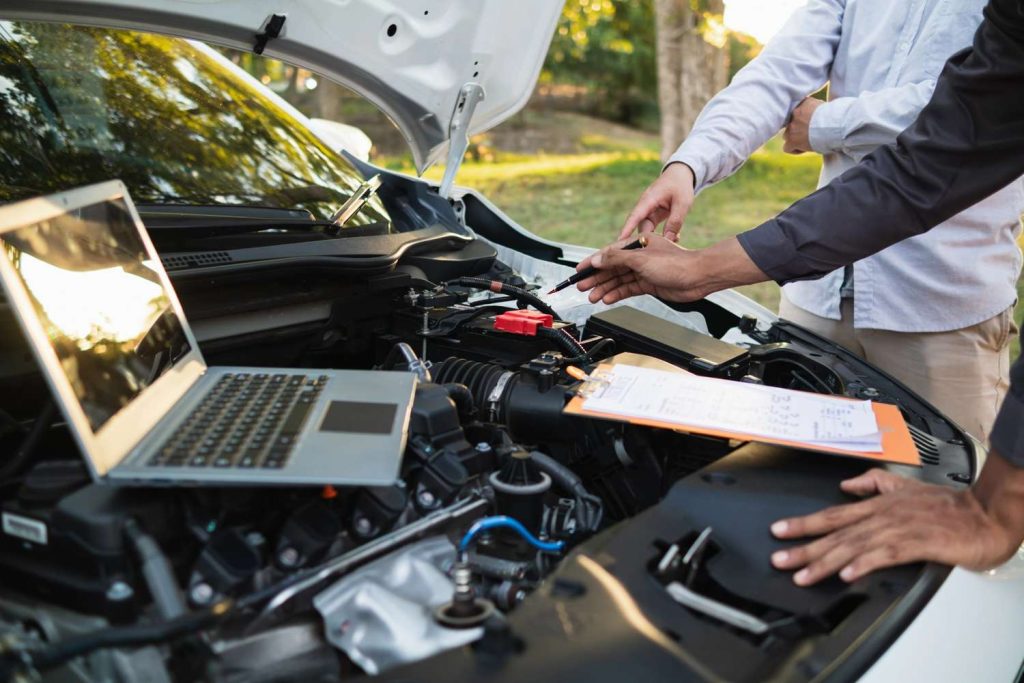
A scan tool connects directly to the car’s brain, the ECU. This reveals stored information that a test drive cannot show.
A mechanic can uncover:
- Stored engine misfires
- Oxygen sensor failures
- Transmission performance issues
- Emission system faults
- Pending trouble codes not yet visible on the dashboard
Pending codes are especially important. They show problems developing quietly before warning lights appear.
A seller can clear dashboard lights in seconds. The scan tool still sees the history.
That alone can change a buying decision.

Fluid Condition and Contamination Checks
Fluids tell the real condition of a vehicle more clearly than sound or feel.
A mechanic inspects:
- Engine oil condition
- Transmission fluid color and smell
- Brake fluid moisture levels
- Coolant contamination
- Power steering fluid leaks or breakdown
Dirty or burnt fluid signals internal wear long before failure happens.
A test drive cannot reveal that.
A dipstick or fluid sample can.
Think of fluids like blood in a human body. Clean fluid means healthy operation. Contaminated fluid points to internal stress.
Brake System Components Beyond Pedal Feel
A brake pedal can feel normal even when the system is worn.
A mechanic checks:
- Brake pad thickness
- Rotor condition and warping
- Caliper movement and sticking
- Brake line integrity
- ABS system function
A vehicle may stop fine today but still hide dangerously thin pads or warped rotors.
Those issues don’t always show up during a short drive. They show up during panic stops, heat buildup, or heavy traffic use.
That’s where inspections matter most.
Suspension Problems a Test Drive Can Miss
Suspension wear develops slowly. Drivers adjust without noticing.
That adjustment hides problems.
Worn Bushings and Ball Joints
These small components carry heavy responsibility. They stabilize steering and absorb road impact.
A mechanic looks for:
- Cracked rubber bushings
- Loose ball joints
- Worn control arms
- Excessive play in joints
A test drive might feel “a bit loose,” but not reveal the source.
Left unchecked, these parts affect steering safety and tire life.
Shocks, Struts, and Alignment Clues
A weak suspension does not always bounce or shake noticeably during a short drive.
Mechanics check for:
- Oil leaks on shocks or struts
- Uneven tire wear patterns
- Poor rebound control
- Vehicle sagging on one side
Tires often tell the truth first. Cupping or feathering means suspension stress long before the driver notices handling changes.
Engine Issues That Stay Quiet During a Drive
Engines can run smoothly while hiding serious problems.
Leaks Hidden Under Covers
Many leaks do not drip visibly. Instead, they collect around seals and gaskets.
Mechanics inspect:
- Valve cover gasket leaks
- Oil pan seepage
- Timing cover moisture
- Coolant hose cracks
- Water pump leakage
A short drive does not expose slow leaks. Heat cycles over time make them visible.
Ignoring them leads to overheating or internal damage.
Timing and Ignition Concerns
Some engine issues show no immediate symptoms.
A mechanic checks:
- Spark plug wear patterns
- Coil performance
- Timing irregularities
- Combustion balance
A car can feel powerful while one cylinder already misfires slightly.
That imbalance grows over time and affects fuel economy, power delivery, and engine life.
Transmission Problems That Don’t Show Up Immediately
Transmission issues often behave politely at first.
Then they escalate.
A mechanic inspects:
- Fluid condition and smell
- Pan debris (metal shavings)
- Mount wear
- Shift quality under different loads
- Transmission cooling lines
Heat plays a major role here. A short test drive may not bring the system to full operating stress.
Once heat builds, hidden problems appear.
By then, damage may already exist.
Frame and Structural Damage Inspection
This is one of the most critical areas a test drive cannot reveal.
Past Collision Repairs
A car can look perfect after repairs. Fresh paint hides structural work.
A mechanic checks:
- Frame alignment
- Weld marks and inconsistencies
- Panel replacement signs
- Mismatched bolts or fasteners
- Uneven gaps between body panels
Structural damage affects safety, stability, and resale value.
A test drive does not expose past collisions.
A lift and inspection do.
Rust and Corrosion Trouble Spots
Rust often hides under the vehicle or inside seams.
Mechanics inspect:
- Frame rails
- Brake lines
- Suspension mounts
- Exhaust system joints
- Undercarriage surfaces
Houston humidity makes corrosion a real concern. Some vehicles look clean on top but hide rust underneath.
Electrical Problems a Road Test Won’t Expose
Electrical issues behave unpredictably.
They may appear only under certain conditions.
A mechanic tests:
- Battery load capacity
- Alternator output
- Wiring integrity
- Sensor communication
- Parasitic battery drain
A car may start perfectly and still have a failing alternator or weak battery system.
Those failures often happen without warning.
A test drive cannot predict that.
Tire and Wheel Problems Beyond Tread Depth
Tires often mislead buyers.
Good tread does not always mean good condition.
Mechanics evaluate:
- Tire age (rubber hardening)
- Sidewall damage
- Internal belt separation
- Wheel bends or cracks
- Balance issues
- Uneven wear patterns
A tire older than five to six years can become unsafe even with deep tread.
A test drive won’t reveal internal tire damage.
What Mechanics See Underneath the Vehicle
The underside tells the most honest story.
Once a car goes on a lift, everything becomes visible.
Mechanics inspect:
- Exhaust system damage or leaks
- Fluid leaks from engine or transmission
- CV axle condition
- Suspension wear points
- Fuel line safety
- Undercarriage impact marks
Scratches or dents under the car can reveal accidents, off-road abuse, or curb damage.
Most of this stays invisible during a test drive.
Texas First Auto Inspections: Why Professional Inspections Matter in Reserve On Dula Lane
Texas First Auto Inspections
In Houston, vehicle condition matters more than many drivers realize. Heat, traffic, and flood risk create extra stress on cars.
Texas First Auto Inspections helps drivers see beyond surface-level condition.
A professional inspection in Houston focuses on:
- Heat-related engine wear
- Electrical system stability
- Suspension stress from road conditions
- Flood damage indicators
- Brake wear from traffic congestion
A test drive cannot replace a structured inspection.
A full inspection gives clarity before buying, selling, or maintaining a vehicle.
That clarity prevents expensive mistakes.
Why Houston Drivers Face Unique Vehicle Risks
Houston roads and weather create specific challenges.
High heat affects:
- Batteries
- Coolant systems
- Hoses and rubber seals
Heavy rain and flooding create risks like:
- Electrical corrosion
- Hidden water damage
- Brake system contamination
Traffic congestion adds:
- Brake wear
- Transmission strain
- Engine heat buildup
These conditions shorten vehicle lifespan if not monitored properly.
A professional inspection becomes more than helpful. It becomes practical protection.
Pre-Purchase Inspections Can Save Thousands
Used vehicles can hide expensive problems.
A pre-purchase inspection reveals:
- Engine leaks
- Transmission wear
- Structural damage
- Electrical faults
- Suspension failures
A buyer often negotiates better or avoids a bad purchase entirely after inspection.
The cost of inspection is small compared to repair bills that follow a poor purchase.
Texas First Auto Inspections Serving the Reserve On Dula Lane Community and Beyond in Houston
Texas First Auto Inspections is dedicated to serving the diverse needs of the local community of Houston, including individuals residing in neighborhoods like Reserve On Dula Lane. With its convenient location near landmarks such as the Cypress Bible Church and major intersections like Cypress North Houston Rd & Dula Ln (coordinates: 29.95143768794349, -95.60163688849465), we offer mechanic to check used car before buying services.
Get Mechanic To Check Used Car Before Buying at Reserve On Dula Lane Now
Navigate from Reserve On Dula Lane to Texas First Auto Inspections Now
The Real Verdict Behind Every Vehicle Decision
A test drive shows how a car feels. A mechanic shows how a car truly is.
That difference decides whether a vehicle becomes a reliable investment or a costly mistake.
Hidden engine issues, suspension wear, electrical faults, transmission problems, and structural damage rarely reveal themselves in a short drive. They require tools, experience, and a full inspection process.
In Houston, where weather and traffic put extra stress on vehicles, professional inspections become even more valuable.
A careful inspection through services like Texas First Auto Inspections gives drivers something a test drive never can, real certainty about what they are buying or driving.
FAQs
1. Can a test drive replace a mechanic inspection?
No. A test drive only shows surface behavior. Many mechanical and structural issues remain hidden without a full inspection.
2. What is the most commonly missed issue during a test drive?
Suspension wear and fluid leaks are often missed because they do not always show symptoms during short driving.
3. Why do mechanics use diagnostic scanners?
They reveal stored and pending error codes that do not appear on the dashboard but indicate developing problems.
4. How important is a lift inspection?
Very important. It exposes undercarriage damage, leaks, rust, and structural issues that cannot be seen from above.
5. Can a car drive fine with hidden engine problems?
Yes. Many engine issues develop slowly and only show symptoms under stress or over time.
