





In industries that depend on quality, safety, and compliance, inspections are essential. Whether you’re evaluating vehicles, machinery, or processes, understanding the types of inspections available helps organizations make informed decisions.
Two common types are internal inspections and third party inspections. While both aim to assess standards and performance, they differ significantly in purpose, process, and impact.
In this post, we’ll explore these differences in depth, helping business owners, quality managers, and vehicle owners understand which type of inspection is suitable for their needs.
Understanding Internal Inspections
Definition and Purpose
Internal inspections are assessments conducted within an organization by its own employees or designated teams. These inspections are designed to monitor compliance, identify issues early, and maintain operational standards.
For example, in a vehicle inspection context, a mechanic employed by the organization may perform routine checks to ensure vehicles meet safety regulations and maintenance schedules. The main purpose of internal inspections is to control quality from within.
Key Characteristics
Internal inspections typically have the following characteristics:
- Conducted by employees: Staff members with relevant training perform the inspection.
- Regular and ongoing: Inspections are often scheduled periodically to maintain consistent quality.
- Cost-effective: Using internal resources reduces the need for external spending.
- Immediate corrective actions: Findings can be addressed quickly since the inspection team is part of the organization.

Benefits of Internal Inspections
Internal inspections offer several advantages, particularly for organizations looking to maintain continuous improvement:
- Quick detection of problems: Employees familiar with internal processes can spot issues faster.
- Customization: Inspections can be tailored to specific operational standards and procedures.
- Employee accountability: Regular inspections reinforce responsibility among staff members.
- Cost control: Since the inspection team is in-house, costs are generally lower than hiring external experts.
Limitations of Internal Inspections
While internal inspections are useful, they also come with limitations:
- Potential bias: Internal teams may unintentionally overlook errors to meet performance expectations.
- Limited perspective: Employees might focus only on familiar areas and miss broader compliance requirements.
- Resource constraints: Conducting thorough inspections can be time-consuming and may divert staff from core tasks.
At Texas First Auto Inspections, we recognize that internal inspections are an important first step but may not fully satisfy regulatory or customer expectations. This is where third party inspections become significant.
What Are Third Party Inspections?
Definition and Purpose
Third party inspections are carried out by independent organizations or experts not directly connected to the business being evaluated. The main purpose is to provide objective, unbiased verification of quality, compliance, and safety.
For instance, when inspecting vehicles for resale or insurance compliance, a third party inspection team evaluates the vehicle without internal influence, ensuring transparency and credibility.
Key Characteristics
Third party inspections are marked by the following traits:
- Independence: Conducted by external, certified inspectors.
- Standardized procedures: Follow recognized industry protocols and regulations.
- Documentation and certification: Often result in official reports or certificates that can be presented to regulators or clients.
- Objective evaluation: Findings are impartial and based solely on inspection results.
Benefits of Third Party Inspections
Third party inspections are highly valuable, especially in situations requiring transparency and accountability:
- Credibility with stakeholders: Independent assessments build trust with clients, regulators, and partners.
- Unbiased results: External inspectors provide an objective evaluation free from internal pressures.
- Compliance assurance: Inspections ensure that standards meet industry and legal requirements.
- Market advantage: Certified third party inspections can enhance reputation and client confidence.
Limitations of Third Party Inspections
While beneficial, third party inspections have some constraints:
- Higher cost: Hiring external experts can be more expensive than internal inspections.
- Scheduling complexity: Coordinating with third party inspectors may require additional planning.
- Limited ongoing monitoring: Unlike internal inspections, third party inspections are usually periodic and may not detect problems between assessments.
Key Differences Between Internal and Third Party Inspections
Understanding the distinctions helps businesses choose the right approach for their goals. Here’s a detailed comparison:
| Aspect | Internal Inspection | Third Party Inspection |
| Conducted by | Employees within the organization | Independent, external experts |
| Purpose | Monitor internal standards, improve processes | Provide objective, unbiased verification |
| Frequency | Often regular and ongoing | Typically periodic or as required |
| Cost | Lower, uses internal resources | Higher, due to external expertise |
| Bias | Potentially subjective | Objective and impartial |
| Documentation | Internal reports, may not meet regulatory standards | Formal reports and certifications for compliance |
| Response Time | Immediate action possible | Action may require additional coordination |
This table shows why both inspection types serve different needs. Internal inspections are suited for continuous monitoring and operational control, while third party inspections provide external validation and compliance assurance.
When to Use Internal Inspections
Internal inspections are ideal when an organization wants to:
- Maintain daily operational quality.
- Identify and resolve minor issues quickly.
- Keep inspection costs manageable.
- Foster a culture of accountability among employees.
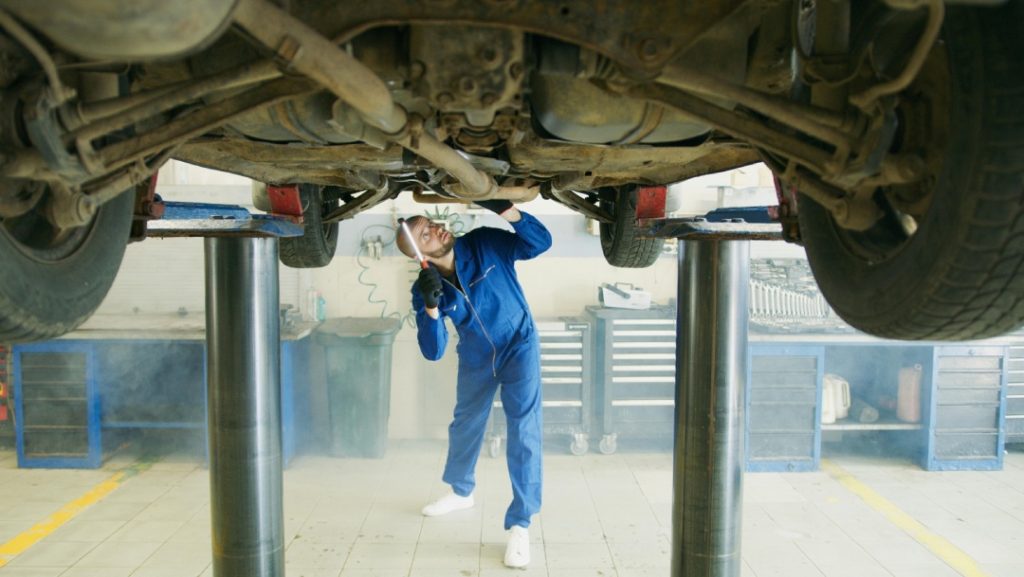
For example, a vehicle maintenance department at Texas First Auto Inspections performs internal inspections to check brakes, lights, and engine conditions before scheduling a vehicle for a client inspection. These routine checks ensure that vehicles meet safety standards consistently.
When to Use Third Party Inspections
Third party inspections are recommended when:
- Regulatory or legal compliance is required.
- Stakeholders demand independent verification.
- The organization wants market credibility and enhanced trust.
- Internal biases need to be eliminated to ensure objectivity.
At Texas First Auto Inspections, third party inspections are particularly useful for customers who want certified verification of their vehicles’ condition before resale, insurance processing, or long-distance transport. The third party report ensures complete transparency and adds a layer of confidence for both buyers and sellers.
Combining Internal and Third Party Inspections
Many businesses adopt a hybrid approach by combining internal and third party inspections. This strategy maximizes benefits and minimizes risks:
- Internal inspections are conducted regularly to maintain quality and catch minor issues early.
- Third party inspections are scheduled periodically to validate results and certify compliance.
This combination ensures ongoing monitoring while providing the credibility that external stakeholders require. For instance, vehicle owners who work with Texas First Auto Inspections benefit from internal checks for routine maintenance and third party inspections when official verification is necessary.
Tips for Choosing the Right Inspection Type
Choosing between internal and third party inspections depends on several factors:
- Purpose of inspection: Determine whether the focus is on internal quality control or external verification.
- Regulatory requirements: Some industries or transactions may require third party certification.
- Budget considerations: Internal inspections are less expensive, but third party inspections may be necessary for legal or credibility reasons.
- Frequency of inspections: Ongoing monitoring is best handled internally, while periodic external checks provide validation.
- Expertise needed: Third party inspectors often have specialized knowledge that internal teams may not possess.
By assessing these factors, organizations can choose the approach that balances cost, efficiency, and credibility.
Why Texas First Auto Inspections Is Your Top Choice for Third Party Vehicle Inspections in Grantwood
When it comes to vehicle inspections, trust, accuracy, and credibility matter. Whether you’re buying, selling, or maintaining a vehicle, a thorough third party inspection provides peace of mind and ensures compliance with safety and quality standards.
At Texas First Auto Inspections, we deliver professional, reliable, and certified third party inspections in Grantwood, making us the go-to choice for drivers and businesses alike.
What Makes Third Party Inspections Important
A third party inspection is an independent evaluation of your vehicle’s condition conducted by certified professionals. Unlike internal checks, these inspections provide:
- Unbiased results for buyers, sellers, and insurance purposes
- Certified documentation that can be used for resale, insurance claims, or financing
- Comprehensive checks covering brakes, engine, transmission, safety systems, and more
Choosing a trusted third party inspector ensures your vehicle is evaluated accurately and transparently.
Why Choose Texas First Auto Inspections?
At Texas First Auto Inspections, we go beyond standard inspections. Here’s why customers in Grantwood consistently choose us:
1. Experienced and Certified Inspectors
Our team is trained and certified in the latest vehicle inspection standards. We have the expertise to evaluate all types of vehicles—cars, trucks, SUVs, and more ensuring nothing is overlooked.
2. Thorough and Detailed Reports
We provide comprehensive inspection reports that document every aspect of your vehicle’s condition. From safety features to engine performance, our reports give you clear insights and confidence.
3. Unbiased Third Party Evaluation
Because we operate independently, you can trust our assessments are objective and impartial. Buyers, sellers, and insurance companies rely on our inspections for accurate, transparent results.
4. Convenient Locations in Houston & Grantwood
We serve multiple locations, making it easy to schedule inspections wherever you are. Our Grantwood offices are equipped to handle inspections efficiently, saving you time without compromising quality.
5. Fast and Reliable Service
We understand your time is valuable. Our inspection process is thorough yet efficient, providing results quickly so you can move forward with confidence.
Services We Offer
Our third party inspections cover a wide range of vehicle evaluations:
- Pre-Purchase Inspections: Know exactly what you’re buying before committing.
- Pre-Sale Inspections: Build trust with buyers by showing verified vehicle condition.
- Insurance & Compliance Checks: Ensure your vehicle meets safety and insurance requirements.
- Fleet Inspections: Keep commercial vehicles in top condition and compliant with regulations.
Each inspection is performed with precision and attention to detail, so you can trust the results every time.
The Texas First Auto Inspections Advantage
Choosing the right inspection provider can save you from costly surprises. Here’s what sets us apart:
- Accuracy: Our inspections follow strict industry standards.
- Transparency: Every report is detailed, clear, and easy to understand.
- Trust: Independent, unbiased, and respected by buyers, sellers, and insurers.
- Customer Focus: We prioritize your needs and provide personalized service for every inspection.
When you choose Texas First Auto Inspections, you’re choosing a partner who cares about your safety, investment, and peace of mind.
Schedule Your Third Party Inspection Today
Whether you’re in Houston or Grantwood, Texas First Auto Inspections is ready to provide reliable, certified third party inspections. Don’t take chances with your vehicle’s safety or value, schedule an inspection today and experience the difference of working with true professionals.
Contact us now to book your inspection and ensure your vehicle meets the highest standards of safety and performance.
Texas First Auto Inspections Serving the Grantwood Community and Beyond in Houston
Texas First Auto Inspections is dedicated to serving the diverse needs of the local community of Houston, including individuals residing in neighborhoods like Grantwood. With its convenient location near landmarks such as the Russ Poppe Pickleball Courts and major intersections like Whispering Oak Dr. and Lakeview Dr. (coordinates: 29.969424117405215, -95.60164252359237), we offer a third party inspection Houston services.
Get Third Party Inspection At Grantwood Now
Navigate from Grantwood to Texas First Auto Inspections Now
Conclusion
Understanding the difference between internal and third party inspections is essential for businesses and vehicle owners alike.
- Internal inspections are performed by in-house teams, offering ongoing monitoring, immediate corrective actions, and cost efficiency.
- Third party inspections are conducted by independent experts, providing unbiased results, compliance assurance, and credibility with stakeholders.
At Texas First Auto Inspections, we provide both types of inspections to ensure vehicles meet safety and quality standards. Whether you need routine internal checks or certified third party verification, our services deliver reliable, professional, and thorough inspections tailored to your needs.
By knowing when to use each inspection type, you can maintain high-quality operations, comply with regulations, and build trust with clients and partners. The choice isn’t always one or the other, using both strategically often provides the best results.
FAQs
1. What is the main difference between internal and third party inspections?
The main difference is who performs the inspection. Internal inspections are conducted by employees within an organization to monitor day-to-day quality and safety. Third party inspections are carried out by independent inspectors who provide an objective and unbiased evaluation of compliance, condition, or performance.
2. When should a business use an internal inspection?
Internal inspections are best used for routine quality checks, ongoing maintenance, and identifying issues early. They help organizations monitor internal standards regularly and address minor problems quickly before they become more serious.
3. When is a third party inspection required or recommended?
A third party inspection is recommended when independent verification is needed, such as for regulatory compliance, vehicle resale, insurance purposes, or buyer confidence. These inspections provide documented proof that standards have been met without internal bias.
4. Are third party inspections more reliable than internal inspections?
Third party inspections are often considered more objective because they are conducted by independent professionals with no internal influence. While internal inspections are useful for ongoing monitoring, third party inspections add credibility and trust when results must be shared with external parties.
5. Can internal and third party inspections be used together?
Yes, many organizations use both. Internal inspections handle regular quality control, while third party inspections provide periodic validation and certification. Using both together helps maintain consistent standards while ensuring transparency and compliance.
