





Why Flood Damage Is a Hidden Car Killer
Flood damage can hide behind clean paint and a freshly detailed interior. Moisture trapped inside wiring, seat foam, control modules, and metal joints can slowly cause corrosion, electrical issues, and mold.
A flood-damaged car may look fine during a test drive but break down weeks or months later. That’s why proper inspection is important before buying any vehicle with possible water exposure.
The Risk for Buyers in Cypress Creek Estates
Cypress Creek Estates attracts buyers who want value in used cars without paying dealership prices. That demand creates a fast-moving market where decisions happen quickly. Fast decisions often lead to missed warning signs.
Flood-damaged vehicles often travel far from their original disaster zones. A car affected by flooding in one region may appear for sale in another area with a clean-looking exterior and a fresh listing history. Buyers in neighborhoods like Cypress Creek Estates may not expect flood risk, which makes them more vulnerable.
Some sellers rely on visual appeal. A polished dashboard and vacuumed seats create a false sense of trust. Without digging deeper into the car’s history and condition, buyers may miss hidden damage that only shows up later through repeated repairs.
In this neighborhood, where families and commuters rely heavily on dependable vehicles, a bad purchase can disrupt daily life. Missed workdays, expensive repairs, and safety risks turn what looked like a good deal into a long-term burden.
Red Flag Strange Interior Smells and Damp Cabin Signs
Musty Odors That Never Go Away
A musty smell inside a vehicle is one of the strongest indicators of past water exposure. It often resembles wet cardboard, mildew, or damp fabric. Sellers may use strong air fresheners or cleaning sprays to mask it, but the odor usually returns after the car sits in the sun.
This smell comes from mold and bacteria growing inside the cabin. These microorganisms thrive in foam padding, under carpets, and inside air vents. Once they settle, they become extremely difficult to remove completely.
A key detail many buyers miss is how the smell changes over time. A quick sniff during a short inspection might seem harmless, but after driving the car for a few days, the odor often becomes stronger. That shift reveals deeper contamination.
Moisture Under Carpets and Seats
Floodwater doesn’t evaporate easily when trapped under interior materials. Carpets in cars are thick and layered with insulation underneath. When water gets inside, it sits between those layers for a long time.
Pressing down on carpets or seat cushions can reveal hidden moisture. A soft, spongy, or uneven feel often means the padding has absorbed water and lost its original structure.
Another warning sign appears when removing floor mats. If the underside feels damp or shows staining, the vehicle likely experienced water intrusion. Even small amounts of trapped moisture can lead to rust forming underneath metal flooring panels.
Seats also tell a story. Power seats, in particular, contain wiring underneath. If water reaches those systems, movement becomes inconsistent, and motors may fail over time.
Red Flag Electrical Glitches and Dashboard Warnings
Flickering Lights and Faulty Controls
Electrical systems act like the communication network of a car. When floodwater enters this network, it creates unpredictable behavior. Lights may flicker without reason. Power windows may slow down or stop working. Dashboard indicators may turn on and off randomly.
These issues often appear inconsistent because corrosion inside wiring does not affect all circuits equally. One day everything may seem fine. The next day multiple systems may fail at once.
This inconsistency is a major warning sign. Normal wear and tear does not usually cause multiple electrical issues at the same time.
Water Damage in Wiring Systems
Modern vehicles rely heavily on electronic control modules. These modules manage everything from engine timing to airbag deployment. Water exposure damages these systems at a microscopic level.
Once corrosion starts inside wiring harnesses, it spreads along the metal conductors. Even after drying, the damage continues underneath insulation layers. This is why flood vehicles often develop long-term electrical problems that seem unrelated at first.
Replacing damaged modules can be expensive, but full restoration is rarely guaranteed. Some faults remain hidden until they cause major system failures later.
Red Flag Mismatched Parts and Hidden Rust
Bolts Screws and Replacement Panels
A flood-damaged vehicle often undergoes partial repairs before being sold. These repairs may include replacing carpets, seat covers, or interior panels. While this improves appearance, it also leaves clues.
Mismatched screws, uneven panel gaps, and inconsistent paint shades suggest that parts were removed and reinstalled. Factory assembly has uniform alignment. Repairs rarely match that precision perfectly.
Door panels that feel slightly loose or trims that don’t sit flush can also indicate prior disassembly. These signs may seem minor individually, but together they form a pattern worth investigating.
Rust in Unusual Hidden Areas
Rust is expected in older vehicles, but flood-related rust behaves differently. Instead of appearing on exposed exterior surfaces, it shows up in hidden interior locations.
Areas like seat rails, under-dashboard metal brackets, inside trunk compartments, and beneath floor insulation are common trouble spots. These locations are not exposed to normal rainwater, so rust here suggests full water submersion or deep intrusion.
Once rust spreads inside structural areas, it weakens the vehicle frame. That weak point becomes dangerous over time, especially during collisions or heavy braking.
Why Flood-Damaged Cars Slip Past Untrained Buyers
Most buyers judge a car based on appearance and short test drives. Sellers know this and focus on surface-level improvements. A deep cleaning, fresh upholstery, and polished exterior can hide serious underlying problems.
Another issue is timing. Flood damage becomes harder to detect after weeks of drying and cosmetic repair. By the time the car reaches the market, obvious signs may already be hidden.
Without technical inspection tools or experience, buyers rely on trust. That trust can be easily manipulated by presentation and pricing strategies.
How Cypress Creek Estates Buyers Can Protect Themselves
Smart buyers slow down the process. They avoid rushing into deals that seem too good. They inspect small details instead of focusing only on overall appearance.
A proper approach includes checking under carpets, testing every electrical feature, reviewing service history, and asking direct questions about the car’s origin. Consistency matters. If the seller’s answers feel unclear or incomplete, that alone raises concern.
A test drive should include different conditions. Slow driving, highway speeds, braking, and turning all reveal different mechanical behaviors. Flood-damaged cars often behave unpredictably under stress.
Inspection Checklist Before You Pay for Any Used Car
A proper inspection goes beyond a quick walkaround. It includes checking every system that water could affect.
Start with interior smell and moisture. Move on to electrical systems like windows, locks, lights, and infotainment. Then inspect hidden areas such as trunk lining, under seats, and carpet edges.
Under the hood, look for corrosion on metal connectors and unusual residue near wiring harnesses. Finally, examine alignment of panels and consistency of paint texture.
Each step reveals a different layer of the vehicle’s history. Skipping any step increases risk.

Why Professional Inspection Matters More Than Ever
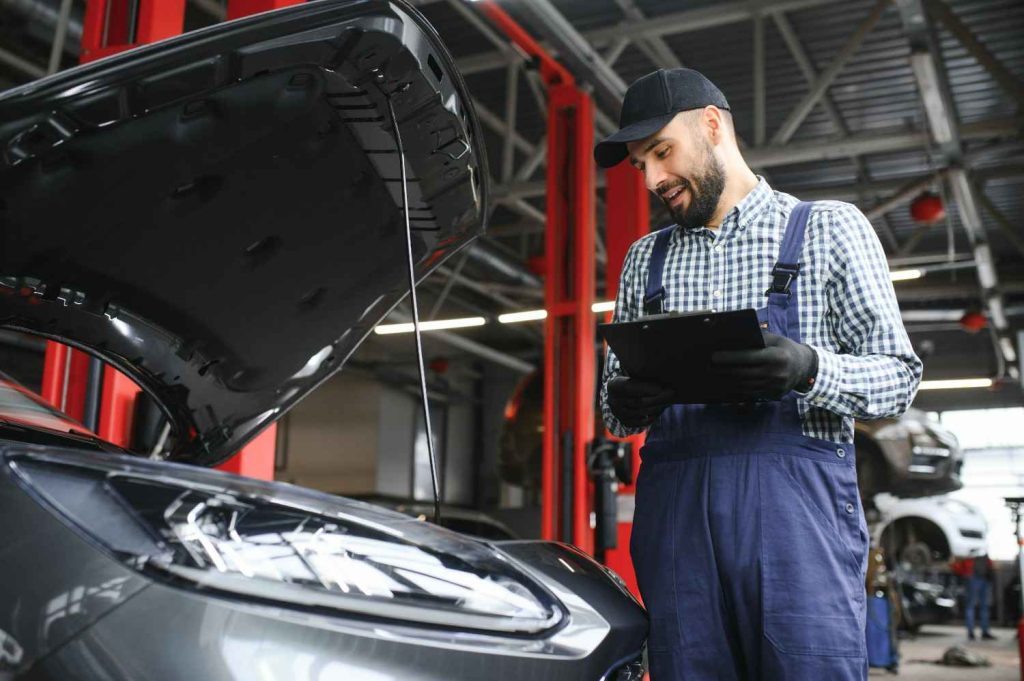
A trained inspector brings experience, tools, and knowledge that most buyers don’t have. Moisture meters, diagnostic scanners, and lift inspections reveal hidden issues quickly.
Professional inspection removes guesswork. Instead of relying on appearance, buyers receive clear technical evidence about the vehicle’s condition.
In flood-related cases, professional evaluation often makes the difference between a safe purchase and a costly mistake.
Texas First Auto Inspections Your Local Defense Against Flood Cars
What Sets Professional Inspection Apart
Texas First Auto Inspections provides detailed vehicle assessments designed to uncover hidden flood damage. The process includes electrical system scanning, structural checks, and interior moisture detection.
Technicians examine wiring systems for corrosion patterns, test electronic modules for inconsistent behavior, and inspect underbody components for hidden rust.
This level of inspection goes beyond surface evaluation. It focuses on long-term reliability rather than short-term appearance.
Real Value for Buyers in Cypress Creek Estates
Buyers in Cypress Creek Estates benefit from accurate information before committing to a purchase. Instead of guessing, they receive a clear breakdown of the vehicle’s true condition.
That clarity helps avoid expensive repairs, unexpected breakdowns, and safety concerns. It also gives buyers confidence during price negotiations.
A well-inspected vehicle provides peace of mind that lasts long after the purchase.
Common Tricks Sellers Use to Hide Flood Damage
Some sellers invest heavily in cosmetic restoration. Deep interior cleaning removes stains and odors temporarily. Carpet replacement hides water absorption. Resetting warning lights clears dashboard alerts for a short time.
Others allow vehicles to dry completely before listing them, which reduces visible moisture but does not eliminate internal corrosion.
A few even relocate vehicles to regions where buyers are less likely to suspect flood history. These strategies focus on appearance rather than mechanical truth.
Long-Term Costs of Buying a Flooded Vehicle
The initial price of a flood-damaged car may look attractive. However, long-term costs often exceed savings.
Electrical failures become frequent. Sensors malfunction without warning. Mold growth affects air quality inside the cabin. Rust spreads slowly but continuously through structural areas.
Resale value drops significantly once flood history becomes known. Many buyers avoid such vehicles entirely, which limits future selling options.
Smart Negotiation Tips After Detecting Red Flags
When red flags appear, use them as negotiation tools. Point out specific issues calmly and request price adjustments based on inspection findings.
If the seller avoids independent inspection or refuses detailed questions, consider walking away. A transparent seller usually welcomes inspection because it confirms value.
Negotiation works best when backed by facts rather than assumptions.
Texas First Auto Inspections Serving the Cypress Creek Estates Community and Beyond in Houston
Texas First Auto Inspections is dedicated to serving the diverse needs of the local community of Houston, including individuals residing in neighborhoods like Cypress Creek Estates. With its convenient location near landmarks such as the East Shadowlake Pocket Park and major intersections like N Shadow Lake Ln & E Shadow Lake Dr (coordinates: 29.960428054792892, -95.6120200397469), we offer third party inspection services.
Get Third Party Inspection at Cypress Creek Estates Now
Navigate from Cypress Creek Estates to Texas First Auto Inspections Now
Smart Decisions That Protect You Before You Sign the Papers
Flood-damaged vehicles often disguise themselves well, but careful inspection reveals the truth. Smells, electrical issues, rust patterns, and mismatched parts all tell a story.
Buyers in Cypress Creek Estates can avoid costly mistakes by slowing down, checking details, and using professional inspection services when needed.
A careful approach protects both money and safety. A rushed decision does the opposite.
FAQs
1. How do flood-damaged cars usually get into the market?
Flood vehicles often get cleaned, repaired cosmetically, and moved to different regions before being sold to unsuspecting buyers.
2. Can a flood-damaged car look completely normal?
Yes, many flood vehicles look clean and drive fine at first, but hidden damage often appears later.
3. What is the biggest sign of flood damage inside a car?
Persistent musty smell combined with electrical issues is one of the strongest warning combinations.
4. Is professional inspection necessary for used cars?
Professional inspection helps uncover hidden issues that visual checks cannot detect, especially for flood-related damage.
5. Why should I choose Texas First Auto Inspections?
Texas First Auto Inspections provides detailed evaluations that reveal hidden water damage, electrical faults, and structural issues before you buy.
