





Buying a Vehicle Feels Exciting Until Problems Show Up Later
Buying a vehicle is exciting, especially when you find one that looks clean, drives well, and fits your budget. But focusing only on price, appearance, or features can cause buyers to miss serious issues.
A vehicle may hide accident history, flood damage, mechanical problems, worn parts, or title concerns. Asking the right questions before signing helps protect your money, safety, and peace of mind.
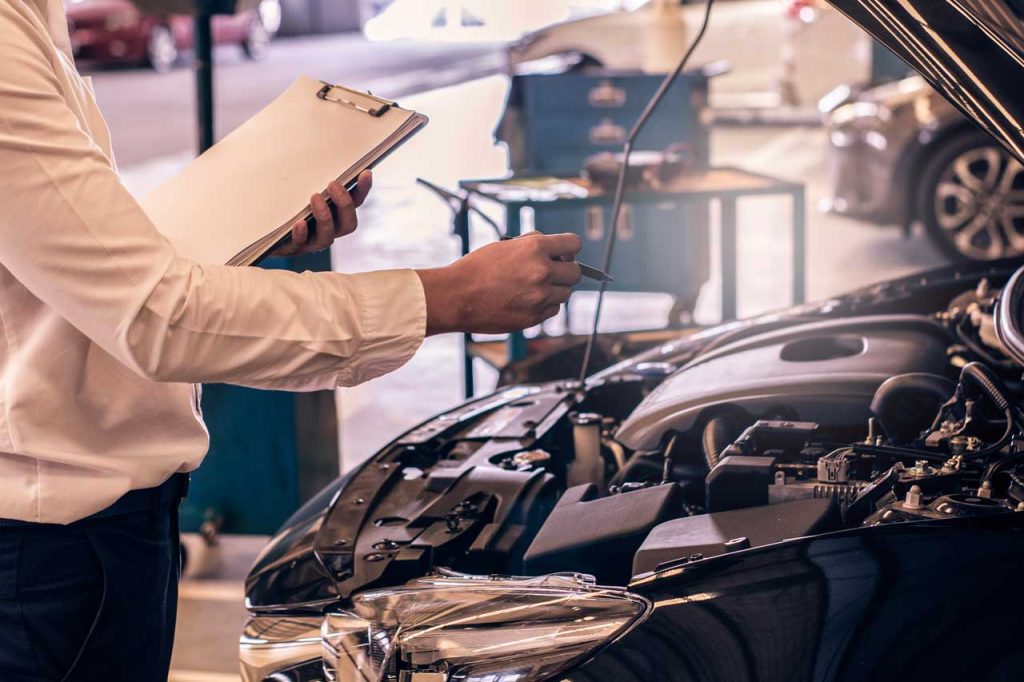
Why Buyers Forget Important Questions During the Process
Many people enter a dealership already imagining themselves driving the vehicle home. That excitement creates emotional decision-making. Instead of carefully analyzing the vehicle, buyers start focusing on ownership.
This happens more often than people realize. A buyer may notice a small issue during the test drive but ignore it because the vehicle looks impressive overall. Others avoid asking difficult questions because they do not want to appear skeptical or difficult.
Unfortunately, ignoring concerns rarely saves money. The used vehicle market can contain hidden risks, especially in busy cities like Houston where vehicles experience heavy traffic, extreme heat, and flood exposure.
Buyers who slow down and ask better questions usually make smarter long-term decisions.
Question #1: What Hidden Mechanical Problems Could Appear Later?
This is one of the most important questions buyers forget to ask.
A short test drive does not always reveal serious mechanical problems. Some issues only appear after several days of driving. Others remain hidden until the engine reaches higher temperatures or the vehicle travels at highway speeds.
A clean dashboard and polished interior do not guarantee mechanical reliability.
Common hidden issues include:
- Engine oil leaks
- Transmission slipping
- Suspension wear
- Cooling system problems
- Brake damage
- Electrical failures
- Steering issues
Some vehicles temporarily perform well during test drives because sellers recently cleared warning codes or completed quick cosmetic repairs.
That is why buyers should never rely only on appearances.
Mechanical repairs can become extremely expensive. Transmission replacements alone may cost thousands of dollars. Engine problems can become even more expensive depending on the vehicle make and model.
A professional inspection helps uncover these concerns before the purchase becomes final.
Why Small Problems Become Big Expenses
Minor issues rarely stay minor for long.
A small coolant leak can eventually overheat the engine. Worn suspension parts can damage tires and steering systems. Poor brake performance increases accident risks while creating additional repair costs.
Vehicle problems often connect like dominoes. One neglected repair leads directly into another.
Buyers who ignore warning signs during the shopping process may face repair bills within weeks after purchase.
That situation turns an affordable vehicle into a financial burden very quickly.
Question #2: Has the Vehicle Experienced Flood Damage?
Houston drivers understand flood risks better than most people across the country. Flood-damaged vehicles often reappear in the used vehicle market after major storms.
Flood damage creates long-term problems that many buyers cannot immediately detect.
Water exposure affects:
- Electrical systems
- Sensors
- Wiring
- Interior materials
- Engine components
- Brake systems
Even if the vehicle starts and drives properly, electrical corrosion may continue developing long after the flood event.
That means buyers may experience random warning lights, failed electronics, or starting problems months later.
Signs of Possible Flood Damage
Flood damage sometimes hides beneath cosmetic cleaning and detailing.
Buyers should look for:
- Musty odors
- Rust under seats
- Moisture inside headlights
- Corrosion around battery terminals
- Water stains on carpet
- Mud inside hidden compartments
- Mold smells inside the cabin
Flood-damaged vehicles may also show unusual electrical behavior like flickering lights or malfunctioning touchscreen systems.
Professional inspectors know where to look for these warning signs.
Question #3: Is the Vehicle History Truly Clean?
Many buyers assume a vehicle history report tells the entire story. That assumption can become dangerous.
History reports provide helpful information, but they do not capture every accident, repair, or insurance event. Some damage never gets officially reported. A clean report does not automatically mean the vehicle is problem-free.
Buyers should investigate:
- Accident history
- Service records
- Ownership history
- Mileage consistency
- Title branding
Understanding the vehicle’s background helps buyers avoid future problems.
Title Problems Buyers Often Miss
Title issues can create major legal and financial complications.
Common title concerns include:
- Salvage titles
- Rebuilt titles
- Outstanding liens
- Ownership disputes
- Incorrect paperwork
Some buyers only discover title problems after attempting registration or insurance.
That creates frustration, delays, and unexpected expenses. A legitimate seller should willingly provide clear documentation. If the seller avoids questions about paperwork, buyers should proceed carefully.
Odometer Fraud Still Happens
Mileage heavily influences a vehicle’s value. Lower mileage often increases the selling price. Some dishonest sellers manipulate odometers to make vehicles appear newer than they actually are.
Signs of possible odometer fraud include:
- Excessive wear on seats and pedals
- Inconsistent service records
- Scratches around dashboard panels
- Mileage gaps on inspection reports
A vehicle with hidden mileage may carry much more wear than expected.
That means buyers could face expensive repairs far sooner than anticipated.
Question #4: Has the Vehicle Been Professionally Inspected?
This question alone can save buyers thousands of dollars. Many people skip independent inspections because they want to close the deal quickly. Others believe dealership inspections already provide enough protection. That mindset creates unnecessary risk.
Dealership inspections mainly support the sale process. Independent inspections focus entirely on protecting the buyer. A third-party inspection gives buyers an unbiased understanding of the vehicle’s condition.
Texas First Auto Inspections near Turtle Lake
Texas First Auto Inspections helps buyers make informed decisions before purchasing used vehicles. Their inspection process focuses on uncovering hidden mechanical, structural, and safety concerns that many buyers overlook during normal walkarounds and short test drives.
Houston vehicles experience unique stress due to:
- Heavy traffic
- High temperatures
- Flood exposure
- Long commuting distances
These conditions increase wear on major systems over time.
Professional inspectors carefully evaluate:
- Engine condition
- Transmission performance
- Brake systems
- Tires
- Suspension
- Electrical systems
- Structural integrity
- Signs of previous damage
Buyers gain valuable insight before committing financially to a vehicle purchase. That level of information helps prevent costly surprises later.
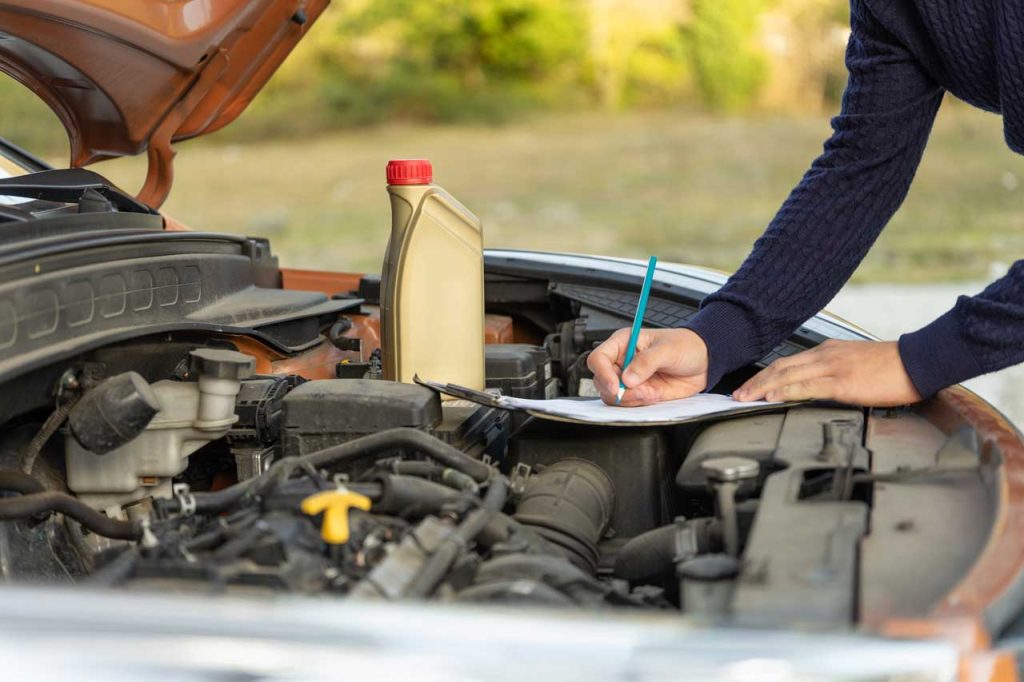
Why Independent Inspections Matter
Independent inspections provide peace of mind during a major financial decision.
A detailed inspection report allows buyers to:
- Negotiate repairs
- Request lower pricing
- Walk away from unsafe vehicles
- Plan future maintenance realistically
Without an inspection, buyers rely mostly on trust and appearances.
That approach can become expensive very quickly.
Question #5: What Will Maintenance and Repairs Cost After Purchase?
Many buyers focus entirely on the sale price while ignoring long-term ownership costs.
That mistake creates financial pressure later.
Some vehicles may appear affordable upfront but require expensive maintenance within months.
Buyers should research:
- Tire replacement costs
- Brake service pricing
- Oil change requirements
- Transmission maintenance
- Insurance rates
- Fuel economy
Luxury vehicles often carry higher maintenance expenses than buyers expect. Older vehicles may also require frequent repairs due to age and wear.
Common Repairs Buyers Underestimate
Several repairs surprise first-time buyers financially.
These include:
- Air conditioning repairs
- Suspension work
- Battery replacement
- Cooling system repairs
- Wheel alignment issues
Modern vehicles also contain advanced electronics that increase repair complexity. Simple sensor failures can trigger expensive dealership diagnostics. Understanding likely maintenance costs helps buyers prepare realistically.
The True Cost of Cheap Vehicles
A low purchase price does not always mean a good deal. Some sellers lower prices because the vehicle needs major repairs soon.
Buyers sometimes save money upfront only to spend thousands during the first year of ownership. That pattern happens frequently in the used vehicle market. The smartest buyers focus on long-term reliability instead of chasing the lowest possible price.
Question #6: Can You Truly Trust the Seller?
Trust plays a major role in every vehicle purchase.
A trustworthy seller answers questions clearly, provides records willingly, and allows independent inspections without hesitation.
Dishonest sellers often:
- Rush the process
- Avoid direct answers
- Pressure buyers emotionally
- Refuse inspections
- Hide maintenance history
Buyers should pay close attention to seller behavior during conversations. If something feels suspicious, there is usually a reason.
Red Flags During the Buying Process
Certain behaviors deserve caution.
Watch for:
- Aggressive sales pressure
- Incomplete paperwork
- Strange odors inside the vehicle
- Missing service history
- Fresh paint hiding repairs
- Dashboard warning lights
- Poor communication
A seller who truly believes in the vehicle’s condition should welcome inspections and detailed questions. Buyers should never feel guilty for protecting their investment.
Why Emotional Buying Creates Expensive Mistakes
Emotions influence vehicle purchases heavily.
People often fall in love with a vehicle before evaluating it logically. Once emotional attachment develops, buyers start ignoring warning signs.
They may tell themselves:
- “That noise is probably nothing.”
- “I can fix that later.”
- “The dealership seems honest.”
Optimism does not repair engines or transmissions. Smart buyers stay objective until inspections, paperwork, and research are complete. Treat the process like a business decision instead of an emotional reward. That mindset usually leads to better outcomes.
How Buyers in Turtle Lake Can Protect Themselves
Protecting yourself during the buying process does not require advanced mechanical knowledge.
Simple preparation makes a major difference.
Before signing anything:
- Research market pricing
- Review history reports
- Schedule an independent inspection
- Test drive thoroughly
- Verify title records
- Ask detailed questions
- Review financing carefully
These steps reduce risk significantly.
Patience often saves thousands of dollars.
The Importance of Taking Your Time
Many costly mistakes happen because buyers rush.
Salespeople may create urgency by claiming:
- Another buyer is interested
- The price expires today
- Inventory moves quickly
Pressure creates emotional decisions.
A reliable vehicle today will still be worth investigating tomorrow.
Buyers should never feel forced into immediate decisions involving major financial commitments.
Taking extra time to inspect and research the vehicle usually pays off.
Why Houston Buyers Need Extra Caution
Houston’s driving conditions place extra stress on vehicles. Heavy traffic increases brake wear and transmission strain. Extreme heat impacts batteries, cooling systems, and tires. Flood exposure creates additional long-term risks.
Vehicles driven in these conditions may require more careful inspection compared to vehicles from milder climates. That is why professional inspections matter so much in Houston’s used vehicle market.
Texas First Auto Inspections Serving the Turtle Lake Community and Beyond in Houston
Texas First Auto Inspections is dedicated to serving the diverse needs of the local community of Houston, including individuals residing in neighborhoods like Turtle Lake. With its convenient location near landmarks such as the Francone Elementary School and major intersections like Marblemount Dr & Tree Branch Dr (coordinates: 29.942447725573235, -95.56012024215346), we offer check used car service Houston services.
Get Check Used Car Services at Turtle Lake Now
Navigate from Turtle Lake to Texas First Auto Inspections Now
Making a Smart Vehicle Purchase Starts With the Right Questions
Buying a vehicle should feel exciting, but excitement should never replace careful investigation. Many buyers in Turtle Lake rush through the process without asking important questions that could prevent major financial headaches later.
Hidden mechanical issues, flood damage, title problems, and overpriced vehicles continue affecting buyers every day. A polished exterior does not guarantee long-term reliability.
The smartest buyers slow down, research carefully, and schedule professional inspections before signing paperwork. That extra effort protects your money, safety, and confidence during one of the biggest purchases many people make.
Texas First Auto Inspections helps Houston-area buyers uncover hidden concerns before finalizing vehicle purchases, giving drivers valuable insight before committing financially.
The right questions today can save thousands tomorrow.
FAQs
1. Why should I get a pre-purchase vehicle inspection?
A pre-purchase inspection helps identify hidden mechanical, electrical, or structural issues before you commit to buying the vehicle.
2. Can flood damage appear months after buying a vehicle?
Yes. Electrical corrosion and moisture-related problems may continue developing long after the flood event.
3. What should I check during a test drive?
Pay attention to braking, steering, acceleration, transmission shifting, warning lights, unusual noises, and overall handling.
4. Is a vehicle history report enough protection for buyers?
No. History reports help, but they do not always reveal every accident, repair, or hidden issue. Independent inspections provide deeper insight.
5. Why do Houston vehicles need careful inspections?
Houston vehicles experience heavy traffic, high heat, and flood risks that can increase wear and create hidden damage over time.
