





Buying a used car can feel like navigating a minefield. You might spot scratches, dents, or worn tires, but what about the hidden issues? What if the engine has a minor leak that could turn into a major repair bill? That’s where a car inspection report comes in. It’s more than just a checklist, it’s a detailed roadmap of a vehicle’s condition.
In Houston, Texas First Auto Inspections specializes in producing thorough reports that uncover both obvious and hidden issues, helping buyers make informed decisions and sellers set realistic prices. Let’s dive into the details of how detailed a car inspection report really is.
Introduction to Car Inspection Reports
A car inspection report is essentially a report card for a vehicle. It documents the car’s overall health, noting issues in mechanical systems, electronics, and even cosmetic aspects. For anyone buying a used car, this report acts as a safeguard. It’s not just about identifying problems; it explains the severity, urgency, and potential cost of repairs.
Think of it like a medical checkup. You wouldn’t skip lab tests and X-rays before surgery, so why skip a thorough check on a vehicle you plan to spend thousands on? In Houston, where summer heat and humidity can affect car components faster than in cooler climates, getting a detailed inspection report can prevent costly surprises.
Why a Detailed Report Matters
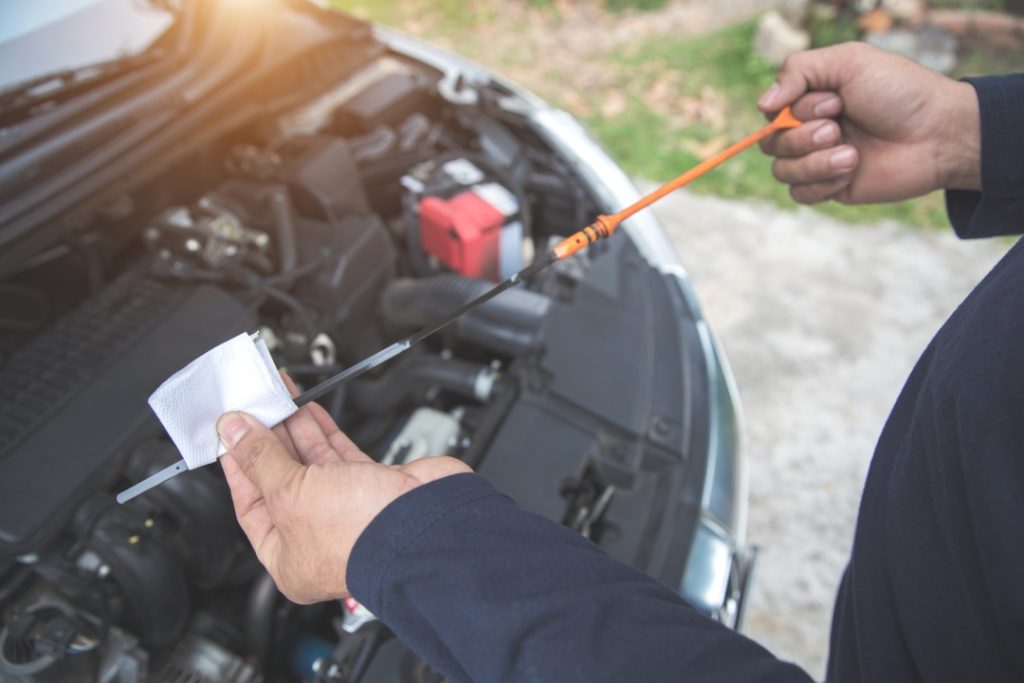
You might think a casual look under the hood is enough, but appearances can be deceiving. A detailed report highlights not just visible issues, but underlying problems that could cost you thousands. It can uncover:
- Hidden leaks in the engine or transmission
- Worn suspension or steering components
- Electrical glitches that might affect safety features
- Rust spots that indicate long-term structural issues
A well-prepared report saves money, reduces stress, and ensures your next vehicle won’t turn into a money pit. Buyers gain confidence, and sellers can showcase transparency, increasing trust.
Texas First Auto Inspections in Satsuma Estates
If you’re in Houston and want peace of mind, Texas First Auto Inspections delivers comprehensive reports that cover every system in your vehicle. Their inspectors combine hands-on expertise with modern diagnostic tools to check every component meticulously.
What sets them apart:
- Detailed photos to illustrate findings
- Clear, readable written notes explaining issues in simple language
- Ratings and scoring systems for each system so you can prioritize repairs
Their goal is to provide a complete picture of the car’s condition so buyers can make confident decisions without any surprises.
What Car Inspectors Look For
Car inspection reports aren’t generic, they follow a structured checklist designed to cover every crucial component. Let’s break down the main areas inspectors examine.
Engine and Transmission
The engine is the heart of the vehicle, and the transmission ensures smooth power delivery. Inspectors look for:
- Oil leaks and unusual fluid residue
- Strange noises like knocking or ticking
- Smoothness of gear shifts
- Signs of previous repairs or replacements
Even minor engine leaks can be costly if left unchecked, and transmission issues are often expensive to fix. A detailed report will note the severity of any problem and suggest maintenance or repair timelines.
Suspension and Steering
Suspension and steering affect comfort, handling, and safety. Inspectors check:
- Shock absorbers and struts for leaks or wear
- Control arms, bushings, and ball joints for damage
- Steering components like tie rods and rack-and-pinion performance
- Alignment issues through tire wear patterns
These checks ensure your car handles safely on Houston roads, which can be rough or pothole-filled in some areas.
Brakes and Tires
Brakes save lives, and tires are the first line of safety. Inspectors evaluate:
- Brake pads and rotor thickness
- Brake fluid condition and leaks
- Tire tread depth and wear patterns
- Signs of uneven wear indicating suspension problems
A report will note which brakes or tires need urgent replacement and which can last a little longer, helping you prioritize safety investments.
Electrical Systems
Modern cars rely heavily on electronics. Inspectors test:
- Headlights, taillights, and signal lights
- Dashboard instruments and sensors
- Power windows, locks, and mirrors
- Battery health and charging systems
Electrical issues can be tricky to diagnose without proper inspection. Detailed notes help buyers understand the condition of each system.
Exhaust and Emissions
A car’s exhaust system affects performance and emissions compliance. Inspectors check for:
- Rust or corrosion on pipes and mufflers
- Leaks in joints or connections
- Proper functioning of catalytic converters
- Emissions compliance for local Houston regulations
Issues here can lead to costly repairs or failed emissions tests. A detailed inspection report flags these early.
Interior and Exterior Condition
While mechanical issues dominate, cosmetic and structural checks matter too. Inspectors review:
- Seat and airbag function
- Dashboard, AC, and entertainment systems
- Body panels, paint condition, and rust spots
- Signs of accidents or poor repairs
A thorough report doesn’t just tell you about problems, it tells you their potential impact on the car’s value and safety.
How Inspectors Record Their Findings
A detailed inspection report relies on three main recording methods:
Photographs and Visual Documentation
Photos are worth a thousand words, especially when documenting dents, scratches, or worn components. Houston buyers appreciate visual proof of issues that might not be obvious at first glance. Photos also protect inspectors from disputes and help buyers visualize the car’s actual condition.
Written Observations
Inspectors write detailed notes for every finding. Instead of merely stating “engine noise,” they describe:
- The type of noise
- When it occurs (idle, acceleration, deceleration)
- Possible causes and severity
Clear written notes prevent confusion and help buyers understand which issues require urgent attention.
Ratings and Scoring System
Many inspection reports include scoring for each component. Ratings like excellent, good, fair, and poor allow buyers to quickly assess the car’s condition. Combined with written observations and photos, this scoring system creates a complete snapshot of the vehicle.
Common Sections in a Car Inspection Report
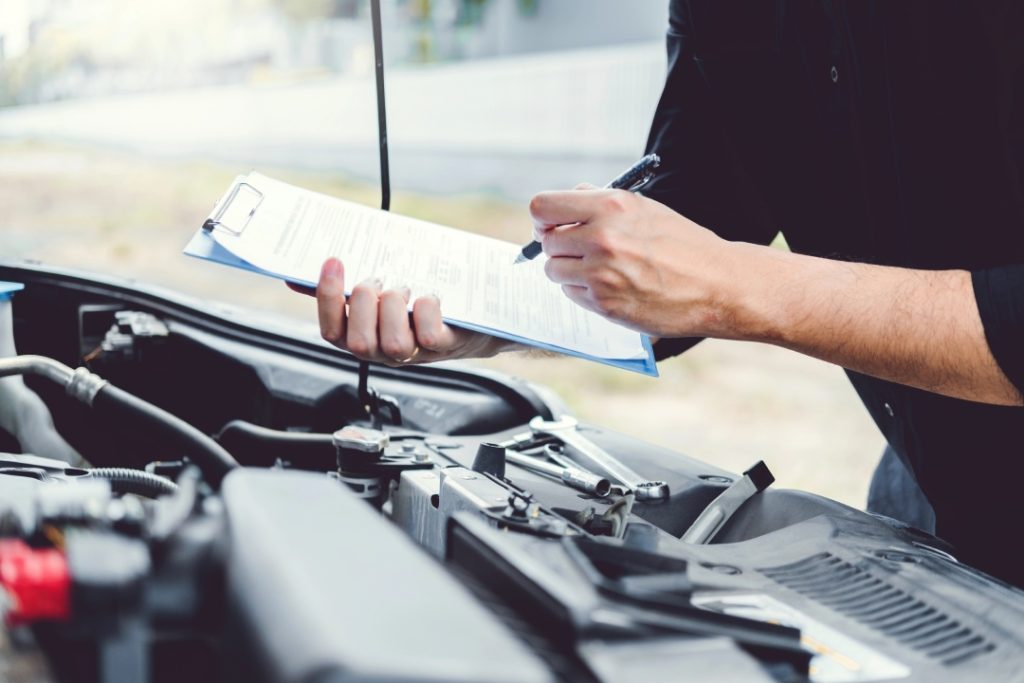
A well-organized report breaks down information for easy understanding:
Vehicle Identification Information
Every report starts with VIN, make, model, year, and mileage. Accurate identification ensures the report matches the exact vehicle being inspected.
Detailed Component Analysis
Each major system, engine, transmission, brakes, suspension, tires, electronics, is analyzed individually. Reports include:
- Condition notes
- Observed wear or damage
- Suggested repairs or monitoring
This structure allows buyers to prioritize critical repairs first.
Maintenance History Notes
Inspectors review maintenance logs and service records. Missed oil changes, delayed brake replacements, or skipped timing belt replacements can indicate future problems. Notes here provide insight into how well the car has been cared for over its lifetime.
Recommendations and Red Flags
The report concludes with recommendations and red flags. Examples include:
- Replace worn brake pads immediately
- Monitor minor oil leaks over time
- Avoid vehicles with frame damage or major electrical faults
This guidance allows buyers to make informed purchase decisions and sellers to address issues before listing.
Red Flags That Reports Usually Highlight
Common issues inspectors flag include:
- Frame damage from accidents
- Engine or transmission leaks
- Uneven tire wear indicating suspension problems
- Electrical malfunctions or shorts
- Rust that affects structural integrity
Early identification saves money and prevents safety hazards.
How a Report Helps Buyers and Sellers
For buyers, a detailed report acts like a shield. It helps avoid vehicles with hidden problems and provides negotiating leverage. Sellers benefit too: sharing a detailed report builds trust and can justify asking for a fair price. In Houston’s competitive used car market, transparency often results in faster, smoother transactions.
Tips to Read a Car Inspection Report Effectively
Understanding the report is just as important as having one. Tips include:
- Focus first on safety-related components like brakes, tires, and airbags
- Compare photos with written observations for clarity
- Take note of red flags and recommendations
- Use scoring to prioritize repairs or maintenance
This approach ensures you know what issues demand immediate attention versus those that can wait.
Frequency and Timing of Car Inspections
Inspections are most critical before buying a used car, especially in Houston where extreme heat and occasional flooding can accelerate wear. Once purchased, scheduling annual or mileage-based inspections (every 12,000 miles) helps maintain performance, safety, and resale value.
Texas First Auto Inspections Serving the Satsuma Estates Community and Beyond in Houston
Texas First Auto Inspections is dedicated to serving the diverse needs of the local community of Houston, including individuals residing in neighborhoods like Satsuma Estates. With its convenient location near landmarks such as the Gurdwara Nanaksar (Houston) and major intersections like Spencer Rd & Satsuma Dr (coordinates: 29.879491970087006, -95.60161439912808), we offer independent used car inspection services.
Get Independent Used Car Inspection Services at Satsuma Estates Now
Navigate from Satsuma Estates to Texas First Auto Inspections Now
Why a Thorough Car Inspection Can Save You Thousands
Car inspection reports are far more than a simple checklist, they’re comprehensive guides to a vehicle’s health. Houston buyers and sellers benefit greatly from detailed reports provided by Texas First Auto Inspections, which combine photographs, written observations, and clear recommendations.
Understanding the report empowers buyers to make informed decisions, avoid costly surprises, and ensure vehicle safety. Skipping an inspection could cost thousands in repairs and headaches, so investing in a thorough evaluation is always worth it.
FAQs
1. How long does a typical car inspection take?
Most inspections last 60–90 minutes, depending on the vehicle’s age, type, and complexity.
2. Can a car pass inspection if it has minor issues?
Yes, minor cosmetic or non-critical issues rarely prevent passing, but they will be noted for transparency.
3. Do inspection reports include photos?
Absolutely. Detailed reports from Texas First Auto Inspections include photos of key findings for clarity and verification.
4. How much does a detailed inspection cost in Houston?
Costs vary, but a comprehensive inspection usually ranges between $150–$250.
5. Can I request a re-inspection after repairs?
Yes, follow-up inspections confirm that previous issues were addressed correctly.
