





Why Classic Car Inspections Are a Different Game
Classic cars may look simple, but they often hide years of wear, repairs, and cosmetic upgrades beneath the paint, metal, and upholstery. A quick walkaround can miss deeper problems.
Experts inspect them differently. They look at how the car has aged, how it performs under stress, and whether past repairs or restorations were done properly—because one missed detail can lead to expensive repairs.
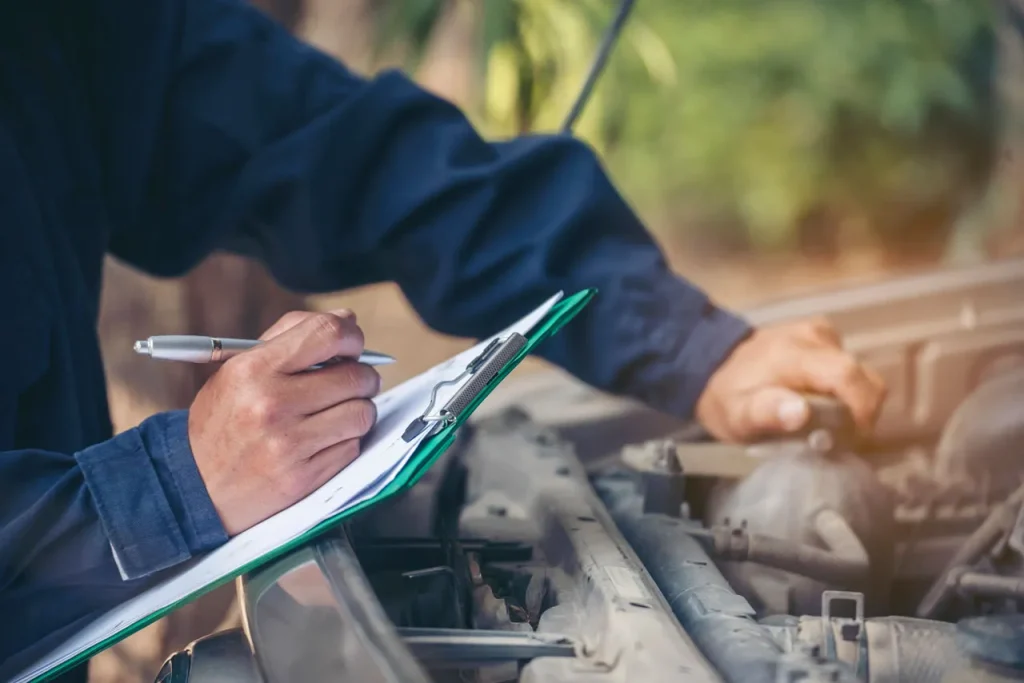
Why Independence Grove Car Owners Care About Expert Inspections
Independence Grove has a mix of long-time car enthusiasts and new collectors entering the classic car market. The appeal is obvious, timeless design, mechanical character, and the pride of owning something rare.
The challenge comes with hidden history. A car might look restored, but the work behind it may not follow proper standards. Cheap repaint jobs, swapped parts, or rushed engine rebuilds often stay invisible until problems start showing.
Experts step in as protectors against these surprises. A proper inspection helps owners understand the true condition before money changes hands. It also helps buyers avoid emotional decisions that ignore warning signs.
Inside the Mind of a Classic Car Inspector
A trained inspector does not see a classic car as a single object. They see layers of time stacked on top of each other. Every scratch, bolt, and sound tells part of the story.
They often start with questions instead of tools. Who restored the car? What parts were replaced? Has it been in an accident? These answers guide the inspection path.
Then comes the physical evaluation. Inspectors listen closely during startup. They watch idle stability. They feel vibration through the steering wheel. Even smell matters—fuel odor, oil burning, or coolant hints reveal internal conditions.
Nothing is random. Every observation connects to another detail.
Beyond the Surface: What Makes Classic Cars Unique
Classic cars differ from modern vehicles in both design and behavior. They rely on mechanical systems instead of electronic control units. That means fewer digital warnings and more physical wear patterns.
Carburetors replace fuel injection systems in many older models. Timing adjustments happen manually. Electrical systems lack modern protections. These differences create charm, but also increase risk during ownership.
Experts understand that age does not behave evenly. One part may look fine while another fails unexpectedly due to decades of heat cycles, storage conditions, or past repairs.
The Difference Between Standard and Classic Inspections
A standard vehicle inspection focuses on safety checks, emissions, and computer diagnostics. Classic inspections go deeper into originality, structural integrity, and restoration quality.
Inspectors evaluate how closely the vehicle matches factory specifications. They look for mismatched parts, aftermarket modifications, and non-original components that affect value.
They also study craftsmanship. Weld quality, paint layering, and interior stitching all matter. Even small inconsistencies can reduce value significantly in collector markets.
Hidden Mechanical Checks Most People Never Notice
Mechanical systems tell the real truth about a classic car. Surface shine cannot hide internal wear once proper testing begins.
Engine Integrity and Compression Testing
Compression testing remains one of the most important steps. It measures how well each cylinder holds pressure. Balanced readings usually indicate a healthy engine.
Uneven compression suggests deeper issues. Worn piston rings, leaking valves, or head gasket damage often appear through these numbers.
Experts don’t just record results. They compare differences between cylinders. Even a small imbalance can lead to rough performance or long-term damage.
Cold start behavior also matters. A smooth start does not always mean a strong engine. Some issues only appear after warming up under load.
Transmission Behavior and Wear Patterns
Transmission systems in classic cars often hide wear behind thick or fresh fluids. That temporary smoothness can mislead inexperienced buyers.
Experts test shifting under different conditions. They check delay between gear changes, listen for clunking sounds, and observe hesitation during acceleration.
Automatic transmissions often reveal early signs through slipping. Manual systems show wear through gear resistance or grinding noises.
Fluid color also gives clues. Dark or burnt-smelling fluid often signals overdue maintenance or internal wear.
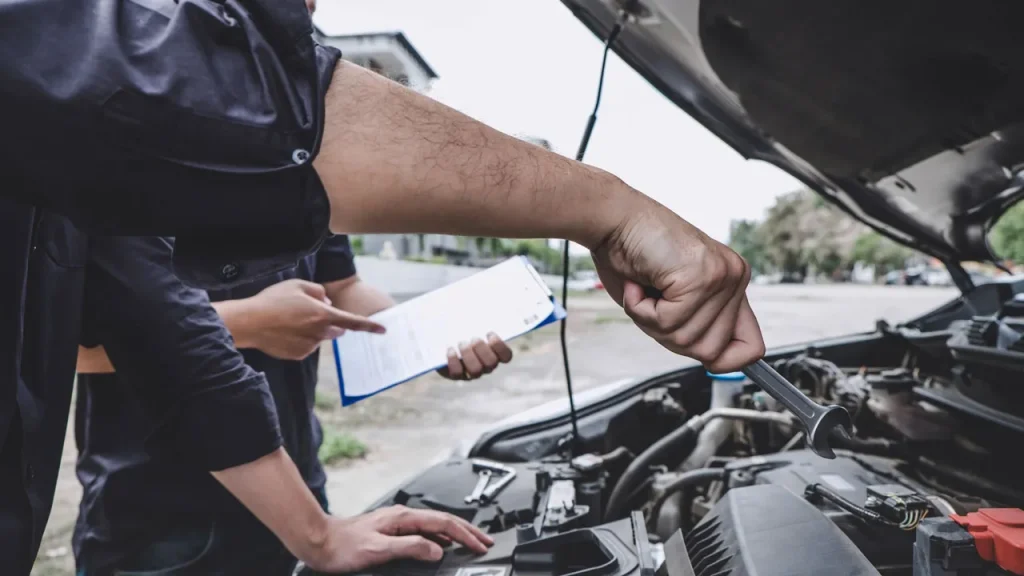
Suspension Fatigue in Vintage Builds
Suspension systems lose strength slowly over time. Springs sag, shocks weaken, and bushings dry out.
The result often feels subtle at first. Slight drifting during turns or uneven tire wear may appear before visible damage shows.
Experts push down on corners of the vehicle, test rebound speed, and observe stability during movement. These simple actions reveal deeper structural fatigue.
Rubber Components and Age Degradation
Rubber parts age even if the car sits unused. Heat, humidity, and time cause cracking and hardening.
Bushings, seals, and mounts lose flexibility. That leads to vibration, noise, and fluid leaks.
Experts inspect these parts closely because replacements can be costly, especially for rare models.
Structural and Frame Assessment Secrets
The frame acts as the backbone of a classic car. Any weakness here affects safety, alignment, and long-term durability.
Rust Mapping Under Paint Layers
Rust rarely stays visible for long. It spreads underneath paint and body filler before appearing on the surface.
Experts use tapping techniques and moisture detection tools to locate hidden corrosion. A dull sound often signals rust beneath the panel.
Unchecked rust can spread quickly. In severe cases, it weakens structural integrity beyond repair.
Frame Alignment Accuracy Checks
Frame alignment affects everything from steering control to tire wear. Even minor misalignment changes how the car handles.
Inspectors measure angles and compare symmetry between both sides of the vehicle. Uneven spacing or inconsistent measurements often indicate past collisions.
Electrical Systems in Classic Cars
Electrical systems in older vehicles require careful evaluation because age affects wiring insulation, grounding, and power distribution.
Wiring Safety and Hidden Fire Risks
Old wiring becomes brittle over time. Cracks in insulation expose live wires, increasing fire risk.
Some classic cars also undergo modifications that bypass original wiring setups. Poor modifications often lead to unpredictable electrical failures.
Experts check for heat marks, exposed wiring, and non-factory connections.
Alternator and Charging System Health
Charging systems must maintain steady voltage levels. Weak alternators lead to dim lights, battery drain, and starting issues.
Experts test voltage output under load conditions. A system that performs well at idle may fail under driving stress.
Interior Wear Indicators Experts Decode
The interior of a classic car reveals usage patterns that exterior panels cannot hide.
Originality vs Restoration Quality
Original interiors carry historical value. Seats, carpets, and trims in factory condition often increase desirability.
Restored interiors require scrutiny. Poor material matching or incorrect stitching patterns reduce authenticity.
Experts look for consistency in texture, color, and design alignment.
Dashboard and Gauge Authenticity Checks
Dashboard components often get replaced during restorations. Non-original gauges may look similar but function differently.
Experts check serial numbers, font styles, and needle movement behavior. Even slight mismatches can affect valuation.
Paint, Bodywork, and Restoration Truths
Paint often becomes the first thing buyers notice, but it can hide more than it reveals.
Hidden Filler and Repaint Detection
Body filler covers dents and rust damage. Too much filler indicates past structural issues.
Experts use magnets and paint thickness tools to detect inconsistencies. Uneven readings often reveal repair history.
Multiple paint layers suggest the vehicle has undergone repeated cosmetic fixes rather than proper restoration.
Panel Fit and Factory Line Consistency
Factory-built cars maintain consistent panel spacing. Doors, hoods, and trunks align evenly when untouched.
Misaligned panels suggest past damage or poor reconstruction work. Even small gaps can affect both value and performance.
Texas First Auto Inspections
Texas First Auto Inspections provides detailed vehicle inspection services that help buyers and collectors make informed decisions.
Their process focuses on uncovering mechanical condition, structural accuracy, and restoration quality. Instead of relying on appearance, they examine the deeper condition of the vehicle.
For classic car buyers in areas like Independence Grove, this type of inspection reduces risk and improves confidence during purchasing decisions. It helps separate genuine restorations from surface-level cosmetic work.
Classic Car Inspection Process Step-by-Step
A proper inspection follows a structured flow that ensures no detail gets ignored.
Initial Walkaround Evaluation
Inspectors start by observing the car as a whole. They check stance, symmetry, tire condition, and panel alignment.
Small irregularities often guide the next steps of the inspection. A slight gap difference or uneven tire wear may point to hidden structural issues.
Diagnostic Equipment Review
Specialized tools help measure engine performance, electrical output, and frame geometry.
These tools uncover issues that visual inspection cannot detect. They also provide measurable data for comparison.
Road Testing Insights
Driving the vehicle reveals behavior under real conditions. Inspectors observe steering response, braking performance, and vibration levels.
Noise changes during acceleration or deceleration often highlight hidden mechanical wear.
Common Mistakes Buyers Make in Independence Grove
Many buyers focus heavily on appearance. A clean paint job and polished chrome can create a false sense of security.
Another common mistake involves skipping professional inspections to save money. That short-term saving often leads to expensive repairs later.
Emotional decisions also play a role. Buyers sometimes ignore warning signs because they fall in love with the car’s design or nostalgia.
Texas First Auto Inspections Serving the Independence Grove Community and Beyond in Houston
Texas First Auto Inspections is dedicated to serving the diverse needs of the local community of Houston, including individuals residing in neighborhoods like Independence Grove. With its convenient location near landmarks such as the Suzuki Academy of Music and major intersections like Hollister St & Theall Rd (coordinates: 29.969417605600153, -95.51859232961385), we offer pre purchase auto inspection service services.
Get Pre Purchase Auto Inspection Services at Independence Grove Now
Navigate from Independence Grove to Texas First Auto Inspections Now
Why Expert Classic Car Inspections Protect Value and Reveal the True Story Behind Every Vehicle
Classic cars carry both beauty and complexity. A proper inspection reveals the real condition hidden beneath the surface.
Experts bring clarity to a process that often feels uncertain. They uncover mechanical truth, structural history, and restoration quality that most people miss.
In Independence Grove and similar communities, that level of insight protects buyers from costly mistakes and helps preserve the value of these timeless machines.
FAQs
1. What makes a classic car inspection different from a regular inspection?
A classic car inspection focuses on originality, structural integrity, and restoration quality instead of only safety and emissions checks.
2. Can a classic car look perfect but still have hidden issues?
Yes. Many problems hide inside engines, frames, and electrical systems even when the exterior looks flawless.
3. What is the most important part of a classic car inspection?
Engine health, frame condition, and rust detection often reveal the most critical information about the vehicle.
4. Why do experts check paint thickness?
Paint thickness helps identify hidden body filler, repaint work, and possible accident repairs.
5. Is a professional inspection worth it for older vehicles?
Yes. It helps avoid expensive repairs and reveals the true value of the vehicle before purchase.
