





Buying a car can feel like stepping into a maze—exciting, yet fraught with hidden dangers. Maybe you’ve spotted that perfect vehicle while cruising through Mossy Oaks Estates, or maybe you’re scouring listings online, hoping to find a car that’s just right.
Either way, one step you absolutely cannot skip is the pre-purchase car inspection. It’s more than just a formality—it’s your safety net, your peace of mind, and, honestly, your best defense against walking away with a money pit.
Working with a trusted company like Texas First Auto Inspections in Mossy Oaks Estates ensures that you’re not just relying on the seller’s word. With their expertise, modern diagnostic tools, and meticulous reporting, you can know exactly what you’re getting into before signing a single line.
In this guide, we’ll explore all the questions you should ask during a “before you buy” car inspection and why they matter for every buyer.
Why a Pre-Purchase Car Inspection Matters
Think about it for a second: How often do you fall in love at first sight? Cars are no different. You see a sleek body, shiny rims, maybe even a smell that reminds you of new car freshness, and suddenly you’re imagining yourself behind the wheel. But here’s the kicker—looks can be deceiving. That beautiful exterior might be hiding rust underneath, or a whisper-quiet engine could have a serious leak waiting to wreak havoc.
A pre-purchase inspection uncovers these hidden issues. It’s like getting a full medical checkup for a vehicle. Instead of gambling thousands of dollars on a car’s appearance, you’re investing in clarity.
Inspections reveal the true condition of a vehicle, from engine health to safety features, helping you make a confident, informed decision. Whether it’s a used sedan, a family SUV, or even a sporty coupe, skipping this step is risky business.

Understanding the Basics of a Car Inspection
What exactly does a pre-purchase car inspection cover? Many buyers think it’s just a cursory glance under the hood—but it’s much more than that. A thorough inspection is a comprehensive assessment of every critical component of a car, both inside and out.
What a Pre-Purchase Car Inspection Covers
A professional inspection usually includes:
- Engine performance and condition: Is it running smoothly? Are there any unusual noises?
- Transmission and drivetrain: Does the car shift gears effortlessly? Any leaks?
- Suspension, tires, and brakes: Are there signs of wear or misalignment?
- Electrical systems and electronics: From windows to infotainment systems—everything should work.
- Bodywork and paint: Hidden rust, poorly done repairs, or minor accident damage can be costly later.
- Safety features and recalls: Airbags, sensors, seatbelts, and recall history—all essential for peace of mind.
- Fluids and potential leaks: Oil, coolant, transmission fluid, and brake fluid are checked to ensure proper maintenance.
Why Skipping It Can Be Costly
Imagine buying a car that looks perfect but has a transmission problem waiting to fail in a few months. Repairs could cost thousands, and that’s if nothing else goes wrong.
A pre-purchase inspection isn’t just about spotting problems—it’s about avoiding financial surprises and making sure your investment is solid. In Mossy Oaks Estates, where quality vehicles are valued, skipping an inspection is a gamble that’s rarely worth taking.
Choosing the Right Inspection Service
Not all car inspections are created equal. A thorough, reliable inspection requires skill, tools, and experience. That’s why choosing the right service is as important as the inspection itself.
Why Texas First Auto Inspections is a Top Choice in Mossy Oaks Estates
Residents of Mossy Oaks Estates trust Texas First Auto Inspections for good reason. They combine advanced diagnostic equipment with years of hands-on experience. Their inspectors know exactly what to look for, even in vehicles that appear flawless on the surface. Their detailed reports are clear and actionable, giving you the confidence to negotiate, walk away, or seal the deal.
Credentials and Experience to Look For
When choosing an inspection service, don’t settle for a basic check. Look for:
- Certifications and training: Technicians should be formally trained in automotive diagnostics.
- Experience: Years of inspecting different makes and models matter.
- Transparency: Honest communication and detailed reporting are essential.
- Customer reviews: Positive testimonials indicate trustworthiness and professionalism.
Key Questions to Ask Before the Inspection
Before the inspector even steps under the hood, there are important questions you should ask the seller and the inspection company. These set the stage for a thorough assessment and protect you from surprises.
Is the Vehicle’s History Fully Transparent?
Ask for maintenance records, previous ownership details, and service history. Sellers who provide this information upfront are often more trustworthy, and it gives the inspector context about the car’s overall care.
Has the Car Been in Accidents or Floods?
Even minor accidents can reduce a vehicle’s lifespan. Flood damage, often invisible at first glance, can cause electrical problems, mold, and rust. Make sure the history is complete and accurate.
Are There Any Recalls or Pending Repairs?
Manufacturers issue recalls for safety reasons. Ensure that all recalls are addressed and ask if any repairs are pending. An unchecked recall could be a costly oversight.
Questions About the Engine and Performance
The engine is the heart of the car, so it deserves careful scrutiny.
How is the Engine Running? Any Strange Noises?
Pay attention to sounds like knocking, ticking, or hissing. These can indicate serious issues. Even minor irregularities should be investigated by a qualified inspector.
Are There Any Signs of Leaks or Wear?
Oil, coolant, or transmission fluid leaks might seem minor but can lead to severe engine problems over time. Inspectors check for leaks that are invisible to the untrained eye.
How Efficient is the Fuel System?
Fuel system health affects performance and long-term maintenance costs. Ask about fuel efficiency and have the inspector check pumps, lines, and filters.
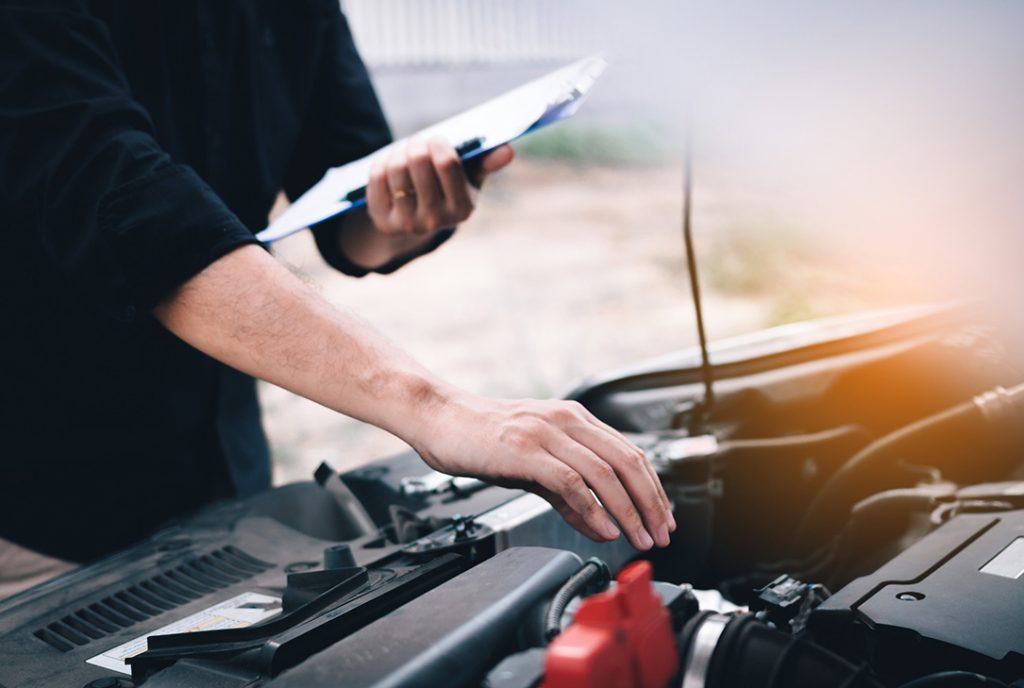
Questions About the Transmission and Drivetrain
Smooth shifting is essential for comfort, performance, and safety.
Automatic or Manual—How Smooth is the Gear Shift?
Watch for hesitations, jerks, or slipping gears. These signs can indicate worn clutches or transmission problems.
Are There Any Transmission Fluid Issues?
Dirty or low fluid levels can cause significant damage. Confirm that fluid is clean, at the correct level, and that no leaks are present.
Questions About the Exterior and Body
The exterior is the first thing buyers notice, but looks can be deceiving.
Any Signs of Rust, Paint Damage, or Repairs?
Rust spreads quickly, and poorly done repairs can hide previous accidents. Ask for specifics about any bodywork done.
How Are the Tires and Suspension?
Uneven tire wear often signals alignment or suspension issues. Damaged shocks or struts can affect handling and safety.
Questions About the Interior and Electronics
Modern cars are packed with tech, and functionality matters.
Are All Electronics Functional?
Check windows, locks, infotainment, lights, and air conditioning. Even minor glitches can be costly to repair.
Any Signs of Water Damage or Unpleasant Odors?
Water stains, mold, and unusual smells indicate prior flooding or leaks. Inspectors know how to spot these issues even if the smell isn’t obvious.
Questions About Safety Features
Safety isn’t optional—it’s critical.
How Do the Brakes and Steering Perform?
Test responsiveness, listen for squeaks or grinding, and ask the inspector to evaluate brake pad thickness and steering alignment.
Are All Airbags and Sensors Fully Functional?
Airbags, seatbelt sensors, and traction control systems save lives. Make sure they’re all operational.
Cost Considerations
A car inspection doesn’t just reveal problems—it can help you plan financially.
Are There Future Repairs to Budget For?
Timing belts, tires, or battery replacement might be coming soon. Knowing this helps you plan your budget and avoid surprise expenses.
How Does the Inspection Impact Negotiation?
Use findings to negotiate a better price or request that the seller address certain issues before purchase. A detailed report can be a powerful bargaining tool.
Texas First Auto Inspections Serving the Mossy Oaks Estates Community and Beyond in Houston
Texas First Auto Inspections is dedicated to serving the diverse needs of the local community of Houston, including individuals residing in neighborhoods like Mossy Oaks Estates. With its convenient location near landmarks such as the Matzke Park and major intersections like Cypress Trail and Tawinee St. (coordinates: 29.951439721406825, -95.5912574926128), we offer before you buy car inspection Houston services.
Get Before You Buy Car Inspection Services At Mossy Oaks Estates Now
Navigate from Mossy Oaks Estates to Texas First Auto Inspections Now
Making a Smart Car Purchase in Mossy Oaks Estates
A pre-purchase inspection is more than a checkbox—it’s your roadmap to a confident car purchase. By asking the right questions, working with skilled professionals like Texas First Auto Inspections, and paying attention to every detail, you protect yourself from costly mistakes and ensure you’re driving away with a car that’s worth every penny.
Remember: buying a car is an investment, not just a transaction. Do your homework, ask the questions, and enjoy peace of mind behind the wheel.
FAQs
1. How long does a pre-purchase car inspection take?
Typically 1–2 hours depending on the vehicle’s condition and complexity.
2. Can I attend the inspection?
Absolutely! Observing helps you understand any issues firsthand and ask the inspector questions in real-time.
3. Do inspections cover both new and used cars?
Yes. While most buyers focus on used cars, even new vehicles can benefit from a full diagnostic check.
4. How much does a car inspection cost in Mossy Oaks Estates?
Prices vary, but a thorough inspection generally ranges from $150–$250. It’s a small price for peace of mind.
5. Can a pre-purchase inspection prevent all car problems?
While inspections are thorough, no check can predict every future issue. They drastically reduce risk, however, by uncovering major concerns.
